

How valuable are dental implants?
The most expensive tooth isn’t the one you replace. It’s the one you leave missing.
A lost tooth doesn’t simply leave a gap. Left untreated, it can affect the way you eat, speak, and smile, while gradually changing the health of your remaining teeth and jawbone. What starts as one missing tooth can become a much bigger problem over time.
For many people, the first question is naturally about cost. Dentures and dental bridges often appear to be the more affordable solution, while dental implants usually involve a higher upfront investment. Looking at price alone, the alternatives may seem like the obvious choice.
The initial cost, however, tells only part of the story.
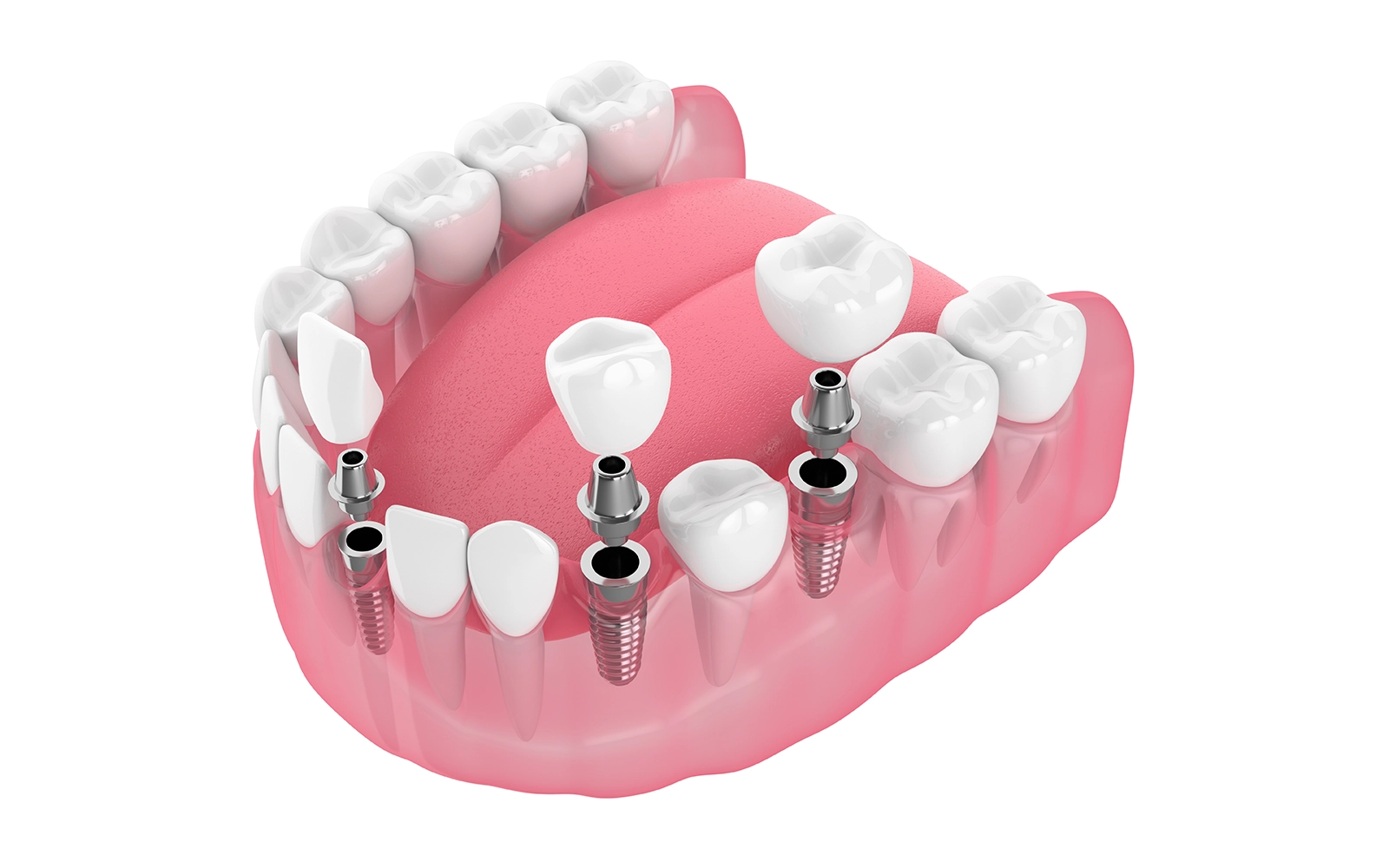
A dental implant is not simply a replacement tooth. It replaces the missing tooth from the root upward, helping preserve the structures that support your smile for years to come. When viewed over the long term, dental implants often provide exceptional value through their durability, function, and ability to protect your overall oral health.
Looking beyond the upfront cost
Dental implants typically cost more than traditional bridges or removable dentures at the beginning of treatment. This reflects the planning involved, the surgical placement of the implant, and the high-quality materials designed to integrate with your jawbone.
While the initial investment is higher, longevity tells a different story.
Well-maintained dental implants are designed to last for decades and, in many cases, can last a lifetime. The crown attached to the implant may eventually require replacement due to normal wear, but the implant itself has an excellent long-term success rate when supported by healthy gums, good oral hygiene, and regular dental care.
By comparison, dental bridges and dentures generally have a shorter lifespan. They often require repairs, relining, adjustments, or complete replacement after several years as the mouth naturally changes over time. Each replacement brings additional costs, appointments, and ongoing maintenance.
Viewed across twenty or thirty years, repeated replacements and maintenance can significantly increase the total cost of temporary solutions. A dental implant may involve a larger initial investment, yet it often proves to be the more economical option over a lifetime.
More importantly, value extends beyond finances. It includes comfort, convenience, confidence, and the preservation of your natural oral structures.
Preserving what matters most
One of the greatest advantages of dental implants lies beneath the surface.
A natural tooth root continually stimulates the surrounding jawbone whenever you chew. This gentle pressure signals the body to maintain healthy bone tissue.
When a tooth is lost, that stimulation disappears. Over time, the body begins to resorb the unused bone, gradually reducing its volume and density. This natural process is known as bone resorption.
Bone loss is often invisible at first. As it progresses, it may alter facial contours, contribute to a sunken appearance around the mouth, and reduce support for neighbouring teeth. It can also make future tooth replacement more complex if significant bone has already been lost.
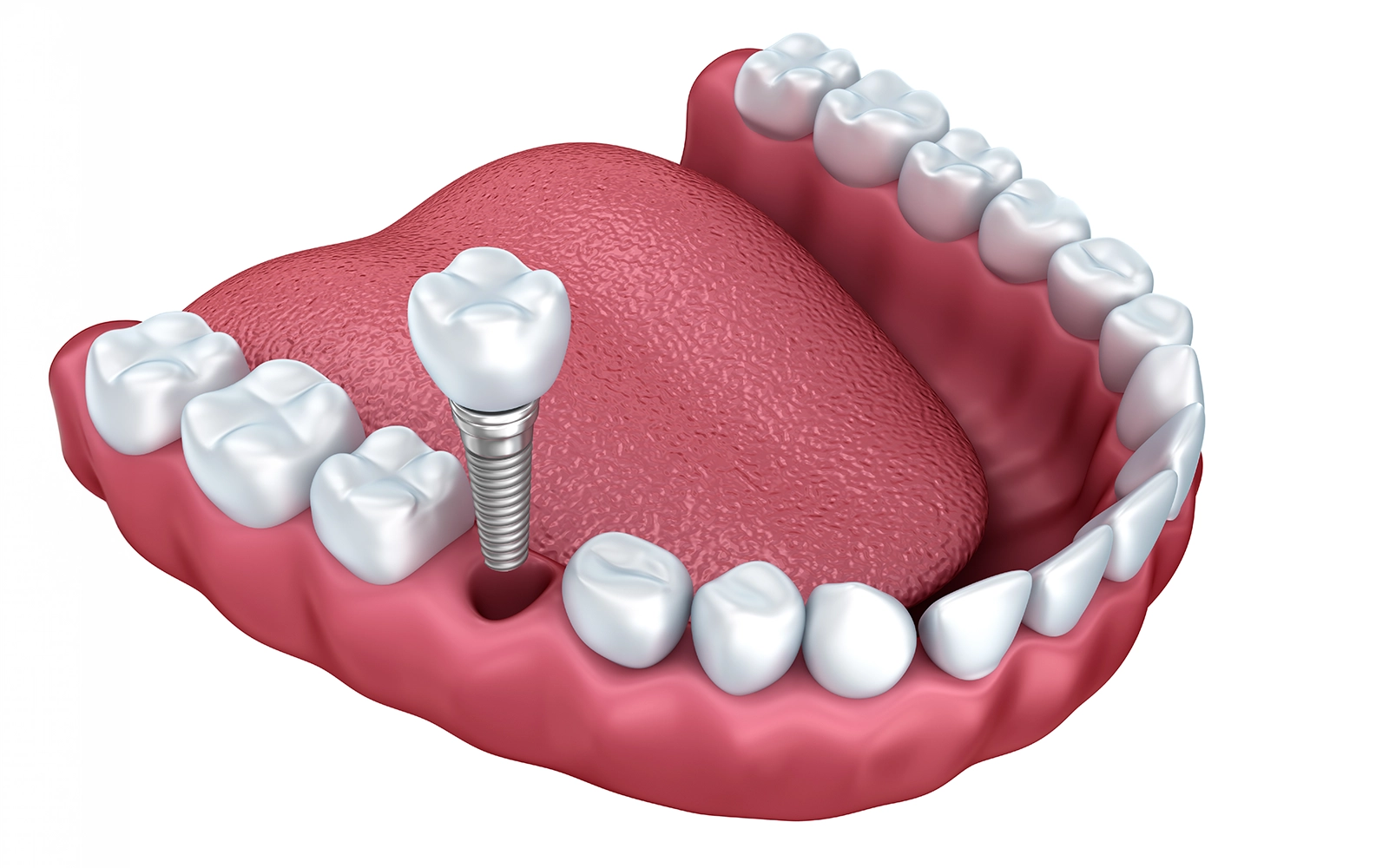
Dental implants are the only tooth replacement designed to replace the missing root as well as the visible tooth. The titanium implant integrates directly with the jawbone through a natural healing process called osseointegration. Once healed, it functions much like a natural tooth root by transferring everyday chewing forces into the surrounding bone.
This ongoing stimulation helps preserve bone volume and supports the long-term health and appearance of your smile.
Traditional bridges and dentures cannot provide this benefit. Since they sit above the gums without replacing the root, they restore appearance and function but do not prevent the gradual bone changes that occur after tooth loss.
Protecting your healthy teeth
When replacing a missing tooth, it’s worth considering not only the gap itself, but also the effect treatment may have on the healthy teeth beside it.
A traditional dental bridge restores a gap by attaching an artificial tooth to crowns placed over the teeth on either side. To make this possible, the supporting teeth usually need to be reshaped by removing healthy tooth structure, even if they are otherwise sound.
Although bridges remain an excellent treatment option in many situations, altering healthy teeth may increase their long-term restorative needs.
A dental implant works differently.
Since the implant is placed directly into the jawbone, it supports the replacement tooth independently. The neighbouring teeth remain untouched, allowing them to retain their natural strength and structure.
Preserving healthy teeth whenever possible is a fundamental principle of modern dentistry. Dental implants align closely with this approach by restoring the missing tooth without sacrificing adjacent healthy enamel.
Restoring everyday comfort and confidence
The benefits of dental implants become most noticeable when you experience life with them.
A stable, secure bite allows you to enjoy a wider variety of foods with confidence. Crunchy vegetables, fresh fruit, lean meats, and other nutritious foods can often be eaten more comfortably compared with removable dentures that may shift during chewing.
Teeth play an important role in forming clear speech. A secure implant-supported tooth remains firmly in place, allowing you to speak, laugh, and smile without worrying about unwanted movement.
Dental implants are designed to closely mimic the appearance and function of natural teeth. Once fully healed, many patients report that they simply stop noticing the implant as it becomes part of their everyday routine.
Unlike removable dentures that require specialised cleaning products or bridges that may need floss threaders for cleaning underneath, dental implants can generally be cared for with regular brushing, flossing, and routine professional cleans.
Simple maintenance supports both convenience and long-term oral health.
Confidence that extends beyond your smile

The effects of tooth loss are not always physical.
Many people become more conscious about smiling in photographs, speaking in social settings, or eating with others. Even a single missing tooth can gradually affect confidence and self-esteem.
Replacing the tooth with a restoration that feels secure and looks natural often provides benefits that reach well beyond appearance. Patients frequently describe feeling more comfortable in conversations, more willing to smile, and less aware of their teeth throughout the day.
While confidence cannot be measured in dollars, it is often one of the most valuable outcomes of successful treatment.
Are dental implants right for everyone?
Dental implants are an excellent option for many adults, but every smile is unique.
Your dentist will assess several factors before recommending treatment, including:
- The health of your gums
- The amount and quality of available jawbone
- Your general medical history
- Lifestyle factors such as smoking
- Your overall oral health goals
Modern digital imaging allows your dentist to evaluate these factors with precision and create a treatment plan tailored to your individual needs.
Even if you have been told previously that you are not suitable for dental implants, advances in bone grafting and implant techniques mean that treatment may now be possible for many patients who were once considered unsuitable.
A comprehensive consultation remains the best way to determine your options.
Choose a future of healthy smiles
How you go about replacing a missing tooth should take into account the full range of factors. It’s important to look beyond today’s cost so you can make a decision that supports your oral health, comfort, and quality of life for many years.
Dental implants offer unique advantages that extend beyond replacing a gap in your smile. They help preserve your jawbone, protect neighbouring teeth, restore natural function, and provide a stable solution designed for long-term success. For many people, these benefits make them one of the most valuable investments they can make in their oral health.
No matter which treatment is right for you, ongoing care remains essential. Brushing twice a day, cleaning between your teeth, maintaining a balanced diet, and attending regular dental check-ups all contribute to the long-term health of your smile and the success of any restoration.
If you are considering replacing a missing tooth, speaking with your dentist is the ideal first step. A personalised assessment can help you understand your options, answer your questions, and determine the solution that best supports your long-term oral health and lifestyle.