
Do dental veneers damage your teeth?
If you’ve spent any time researching veneers online, you’ve probably been served a steady diet of horror-movie-style videos showing teeth being shaved into tiny pegs. They’re excellent for social media engagement, though not always for explaining how modern cosmetic dentistry works. For many people, those images are enough to make them reconsider cosmetic dental treatment altogether.
It’s normal to feel repulsed. Healthy teeth are valuable, and most people do not want to remove significant amounts of natural tooth structure simply to improve the appearance of their smile.
The good news is that modern cosmetic dentistry has evolved considerably. Veneers do not all require the same level of preparation. Some suitable patients may be able to have veneers placed with little or no enamel removal, while others may require controlled preparation to create enough space for the desired shape, colour, position and function. The amount of preparation depends on the individual teeth and the treatment being planned.
Advances in digital smile design, high-strength ceramics, and ultra-thin porcelain have made it possible for suitable candidates to achieve remarkable results while preserving most, or even all, of their natural enamel.
The key detail is that no-prep veneers are not suitable for everyone. The right approach depends entirely on your existing tooth shape, alignment, colour, and overall smile goals.
Understanding how veneer preparation works can help you make an informed decision about whether a no-prep option may be right for you.
The truth about tooth shaving and veneers
Before you decide whether veneers are right for you, there’s an important detail that many social media videos leave out: the amount of tooth preparation varies from case to case. Some veneer treatments may require little or no enamel removal, while others involve controlled preparation to create enough space for the planned restoration.
Dramatic “shaved tooth” images can also be difficult to interpret without knowing what treatment is being performed. Some may show teeth being prepared for full-coverage dental crowns, while others may show preparation for veneers. Crowns and veneers are different restorations designed for different clinical situations, and the amount of tooth reduction depends on the individual tooth and the treatment plan.
A dental crown is used to restore and protect a tooth that has been significantly damaged or weakened. This may include teeth with large fillings, fractures, advanced wear, previous root canal treatment or substantial loss of tooth structure. Because a crown covers the entire tooth, preparation is generally required to create sufficient space for the restoration while allowing for appropriate fit, strength and function.
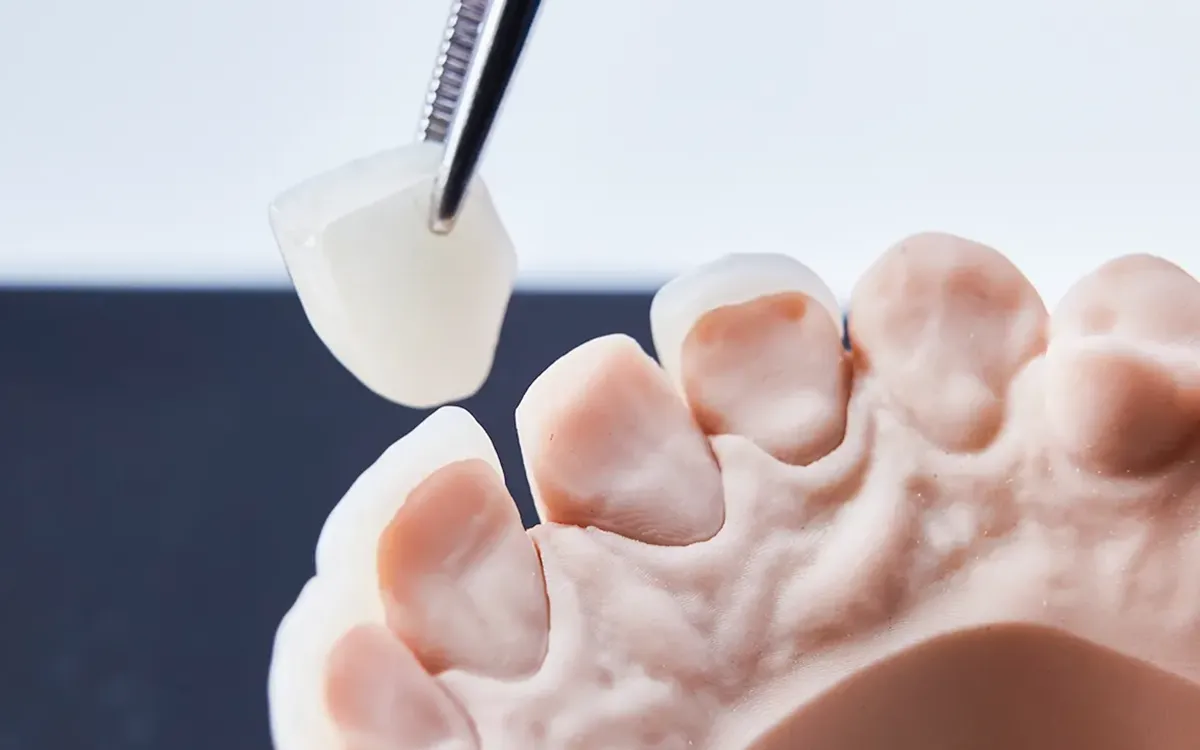
Veneers are different. A porcelain veneer is a thin restoration bonded to the front surface of a tooth to alter its shape, colour or appearance. Depending on the starting position, shape, colour and desired result, a veneer may require no preparation, minimal preparation, or more extensive enamel preparation.
When preparation is required, the amount removed is planned carefully and varies between teeth and patients. The aim is generally to preserve as much healthy natural tooth structure as clinically appropriate while creating enough space for a well-contoured, functional restoration.
This is why a veneer should not automatically be described as either “no-prep” or “invasive”. The appropriate approach depends on the individual tooth, the desired outcome and the clinical considerations involved. A thorough assessment can help determine how much, if any, preparation is appropriate for your smile.
What are no-prep veneers?
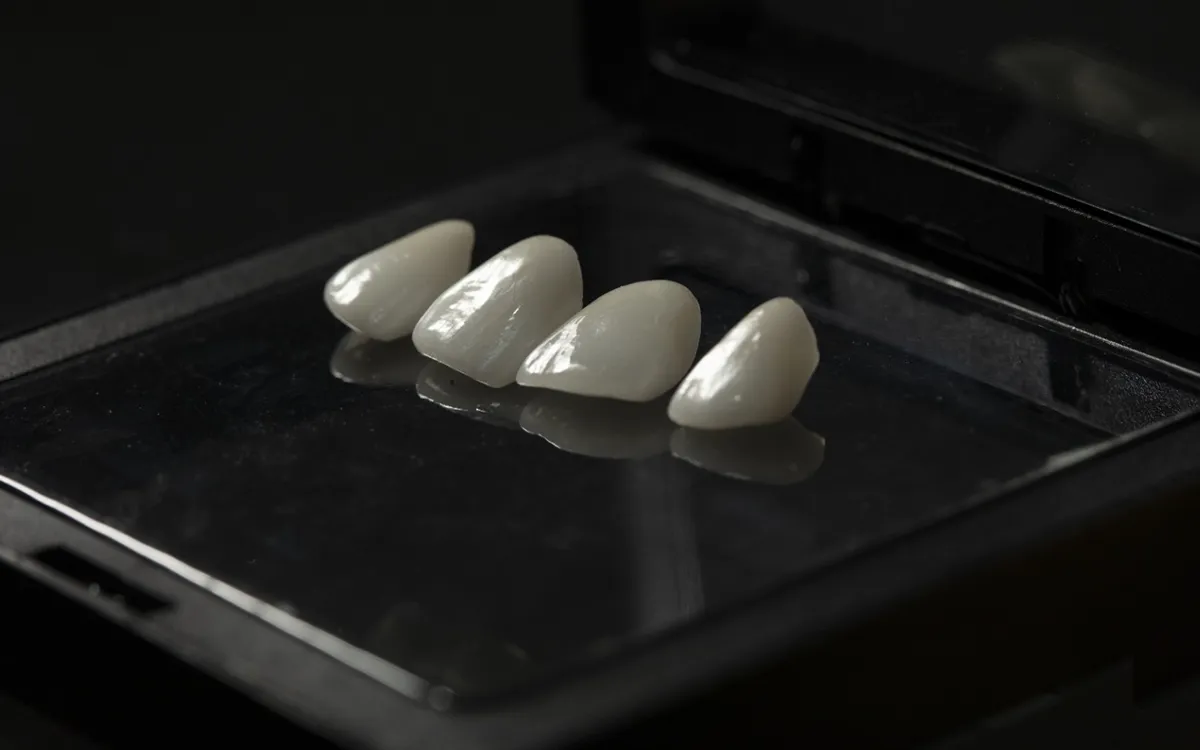
No-prep veneers are thin ceramic restorations designed to bond to the front surface of the teeth with little or, in selected cases, no intentional removal of enamel. They are generally considered when the existing tooth shape, position and proportions allow the desired result to be achieved without creating significant additional space.
Because the veneer adds material to the front of the tooth rather than substantially reshaping it, no-prep treatment may be suitable for certain cosmetic concerns, such as small teeth, minor spacing or subtle changes in tooth shape. However, adding porcelain can also make a tooth appear more prominent, so careful planning and case selection are important.
The process typically involves:
- A comprehensive cosmetic consultation
- Assessment of the teeth, bite and existing enamel
- Digital smile analysis and planning
- High-definition intraoral scanning and photographs
- Custom veneer design
- Smile try-ins or mock-up shells
- Bonding the veneers directly onto the enamel
When little or no preparation is required, treatment may involve less alteration of the natural tooth and may not require local anaesthetic. This does not mean that no-prep veneers are completely non-invasive or suitable for every patient.
No-prep veneers also remain a dental restoration that requires care and maintenance. If enamel has been removed as part of the treatment, that natural tooth structure cannot grow back. Even where no preparation is planned, removing or replacing veneers later should be assessed by a dentist rather than assumed to be a simple or fully reversible process.
Why enamel preservation matters
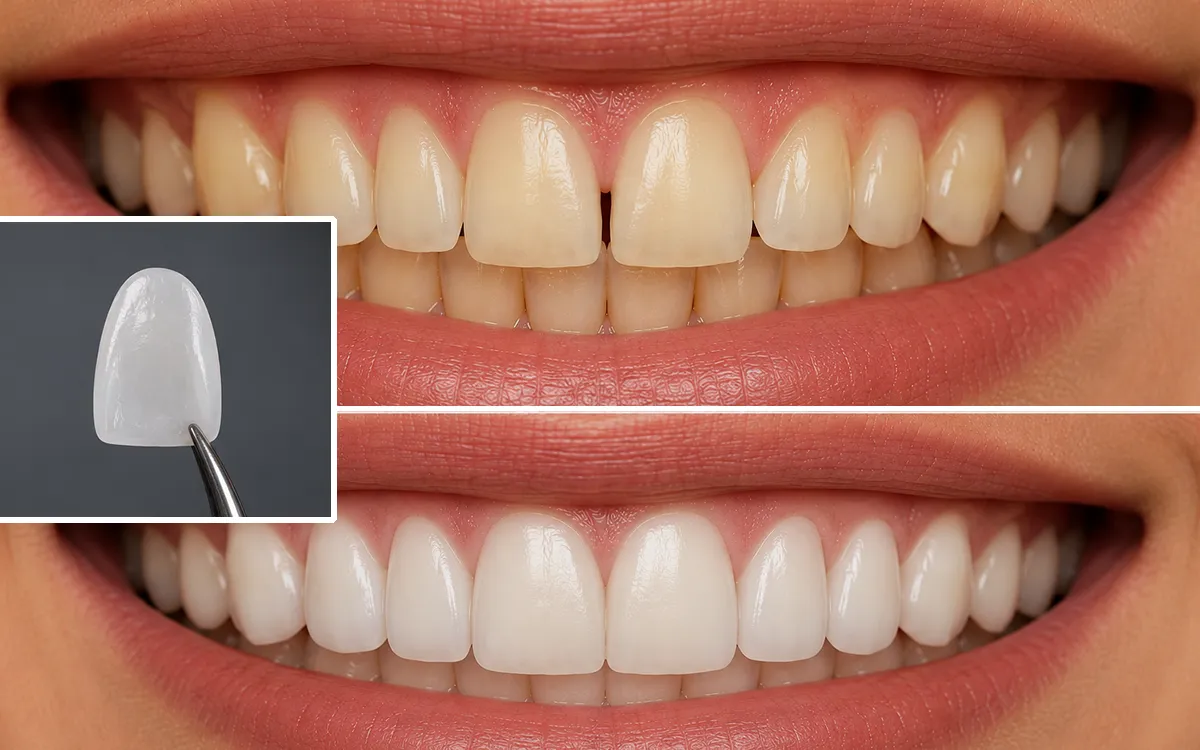
Enamel is the hard outer layer of the tooth and does not regenerate once it has been permanently removed. For this reason, preserving healthy enamel where clinically appropriate can be an important consideration when planning veneer treatment.
Bonding a veneer to enamel can provide a favourable bonding surface. Preserving more natural tooth structure may also reduce the extent of permanent alteration to the tooth.
However, enamel preservation should not be viewed as a guarantee of better long-term dental health. Veneers can still require ongoing maintenance, and their suitability depends on factors such as the health of the teeth and gums, bite, tooth position, oral hygiene and the type of restoration being planned.
The goal is not simply to remove as little enamel as possible. It is to choose an approach that addresses the patient’s concerns while preserving as much healthy natural tooth structure as clinically appropriate.
Who is an ideal candidate for no-prep veneers?
No-prep veneers may be considered when the existing teeth have suitable proportions, position and alignment for the planned result. They are not simply a less invasive version of traditional veneers that can be substituted in every case.
The treatment is often highly successful for patients with:
Some people naturally have teeth that appear undersized compared to their smile.
Ultra-thin veneers can add width, length, and balance without creating an unnatural appearance.
Minor spacing issues, often referred to as diastemas, can frequently be closed with no-prep veneers.
The added ceramic fills the space while maintaining natural tooth contours.
Teeth can become shorter over time due to normal wear.
No-prep veneers can restore youthful proportions and improve smile aesthetics without invasive treatment.
Small chips, uneven edges, or asymmetrical teeth can often be corrected with little or no preparation.
Mild discolouration
When staining is relatively mild, appropriately selected thin veneers may improve the appearance of tooth colour while preserving some or all of the existing enamel.
Deeper or more resistant discolouration may require a different approach.
When minimal preparation may be the better choice
No-prep veneers are not always the most appropriate solution. In certain cases, a small amount of enamel reshaping, or an alternative staged approach, can create a more balanced and natural-looking outcome.
In some situations involving tooth position or alignment concerns, orthodontic treatment may also be considered before cosmetic veneer work. Straightening the teeth first can reduce the need for enamel modification and may minimise, or in some cases eliminate, the need for more extensive restorative changes later. The most suitable pathway depends on the severity of the misalignment and the patient’s long-term smile goals.
When veneers are still part of the plan, a minimal-preparation approach is often used in the following situations:
Crowded or overlapping teeth
When teeth are crowded or overlap, adding porcelain without creating sufficient space can result in over-contoured or bulky restorations. In selected cases, controlled enamel preparation may provide the space needed for the planned contours. This involves permanently altering some natural tooth structure, so the benefits and limitations should be discussed before treatment.
Teeth that project forward
Patients with protrusive teeth often benefit from conservative reshaping before veneer placement.
This allows the final result to look balanced rather than bulky.
Significant internal staining
Deep staining caused by trauma, medication, or developmental factors can be difficult to disguise with extremely thin porcelain.
A minimal amount of preparation may allow the dentist to use slightly thicker ceramics that provide better colour masking.
Major smile corrections
When substantial changes to tooth position, shape, or alignment are required, minimal-preparation veneers often offer greater flexibility and predictability.
In these cases, a conservative amount of preparation can actually lead to a more natural-looking result.
No-prep veneers vs minimal-prep veneers
Many patients assume cosmetic treatment is either completely drill-free or highly invasive.
The reality is that most modern smile makeovers fall somewhere in between.
A skilled cosmetic dentist evaluates each tooth individually and removes only what is necessary to achieve the desired outcome.
For some patients, that may mean no preparation at all.
For others, a microscopic amount of enamel reduction can create a significantly better aesthetic result.
The most conservative treatment is not always the treatment that removes the least enamel. It is the approach that aims to achieve appropriate function and aesthetics while preserving as much healthy natural tooth structure as clinically possible.

Potential benefits of no-prep veneers
No-prep veneers offer several appealing benefits:
- May require little or no enamel preparation in suitable cases
- Minimal discomfort during treatment
- Often no need for injections or anaesthetic
- Reduced treatment invasiveness
- Strong bonding to healthy enamel
- Natural-looking cosmetic improvements
These benefits depend on careful case selection. No-prep does not automatically mean risk-free, maintenance-free or reversible.
Potential limitations to consider
No-prep veneers are highly effective when used appropriately, but they do have limitations.
Potential considerations include:
- Not suitable for every smile
- Limited ability to correct severe crowding
- Limited ability to mask deep discolouration
- Risk of bulky-looking teeth if poorly planned
- Greater reliance on careful case selection
The success of treatment depends heavily on detailed planning and an experienced cosmetic dentist who understands facial aesthetics, smile design, and conservative dentistry.
Why digital smile design has changed cosmetic dentistry
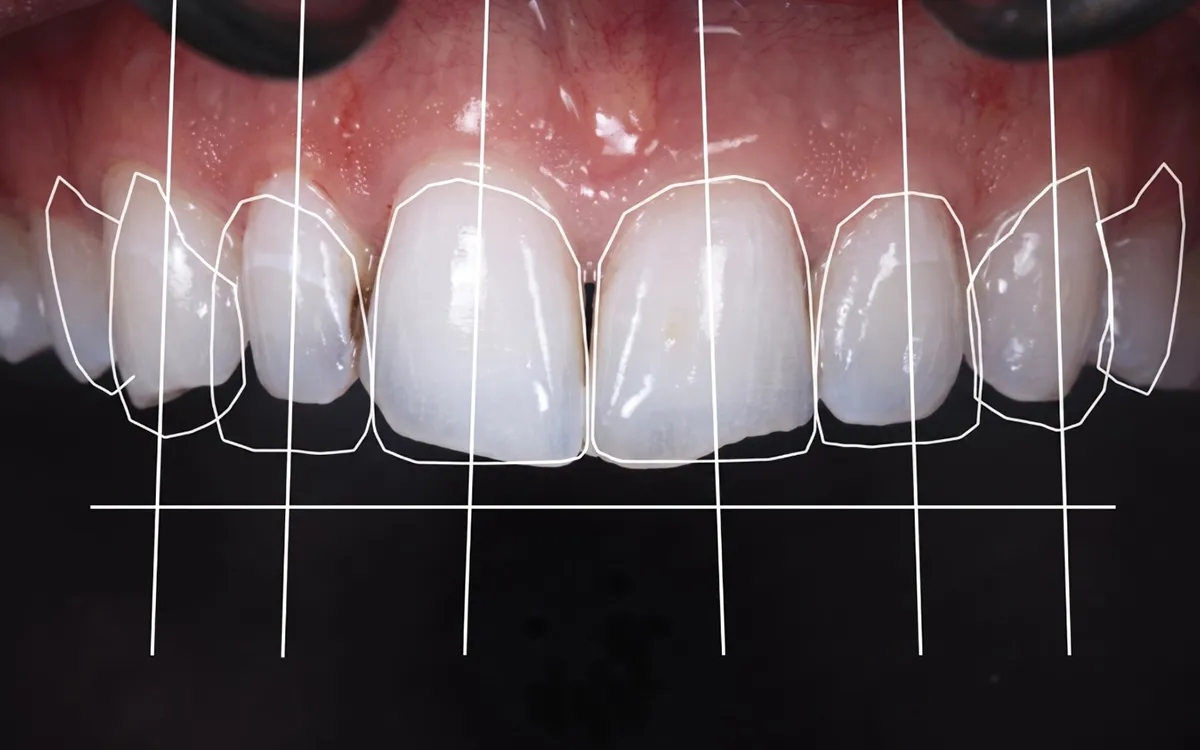
One of the biggest advances in modern veneer treatment is digital smile planning.
Using high-definition scans, photographs, and digital design software, dentists can analyse the relationship between the teeth, gums, lips, and facial features before treatment begins.
This allows patients to visualise potential outcomes and helps determine whether no-prep, minimal-prep, or traditional veneers will provide the most natural result.
Digital planning can provide additional information to help assess proportions, tooth position and the proposed aesthetic result before treatment begins. It can be used alongside clinical examination and other diagnostic information when determining whether no-prep, minimal-prep or another approach is appropriate.
The best veneer treatment is the one that preserves your smile
The fear of having healthy teeth aggressively shaved down often prevents people from exploring cosmetic dentistry altogether.
Veneer treatment can be conservative in suitable cases, but the amount of tooth preparation varies considerably between patients. Some people may be suitable for little or no preparation, while others may require enamel modification to create enough space for an appropriate result.
The important question is not simply whether veneers are “no-prep”, but whether the proposed treatment is appropriate for the health, position, bite and structure of your teeth.
A thorough dental assessment is an important first step. Every smile is different, and treatment should be considered in the context of your individual goals, dental health and existing tooth structure.
If you are considering veneers, your dentist can explain whether no-prep, minimal-prep or another approach may be appropriate for your teeth. Understanding the potential benefits, limitations and degree of tooth preparation involved can help you make an informed decision before proceeding with treatment.

* Content is for informational purposes only and not medical advice. Results vary by individual; consult a qualified dental professional for a personalised assessment and treatment plan.