

Sometimes saving a tooth means treating it from within. By addressing infection at its source, root canal therapy helps retain the tooth and avoid more complex treatment later.
Modern dentistry prioritises preserving the natural tooth wherever possible, and root canal therapy is an important part of that approach. Restoring a tooth in this way supports efficient chewing, maintains alignment, and contributes to overall oral stability. Treating the issue at its source allows the tooth to be retained and function as intended.
Recognising the need early helps avoid complications and supports better long-term outcomes
What is root canal therapy?
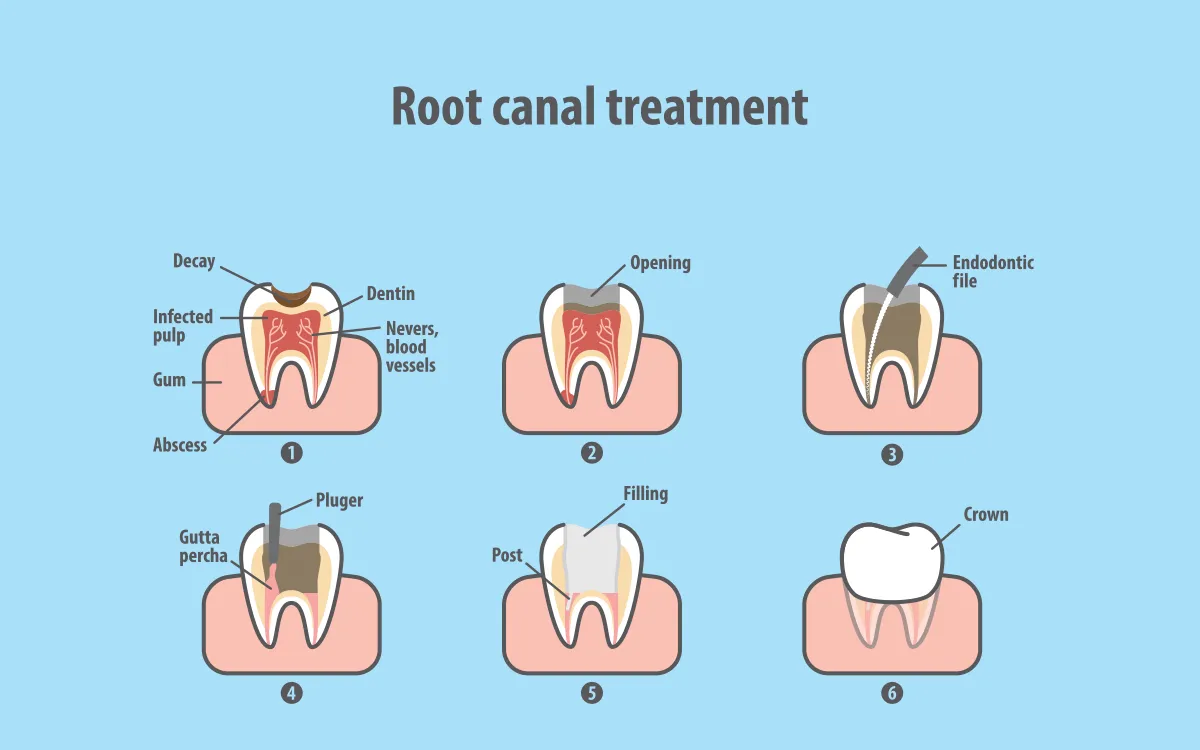
A tooth can appear sound on the surface, yet have problems deep within. At the centre of every tooth lies its pulp, a soft tissue containing nerves and blood vessels. When this inner tissue becomes inflamed or infected, it can cause pain, sensitivity, and progressive damage if left untreated.
Though this may seem like the end of the road for the tooth, the pulp is not essential for a fully developed tooth to function. Any infected pulp must be removed for your ongoing oral health, but this does not compromise the tooth’s ability to function.
Root canal therapy focuses on removing infected or inflamed pulp while preserving the outer structure of the tooth. The internal space is carefully cleaned, disinfected, and sealed to prevent further bacterial growth.
Advances in technology and techniques have transformed the experience. The procedure is now comparable to receiving a routine filling in terms of comfort, while delivering far more significant health benefits.
Know the signs
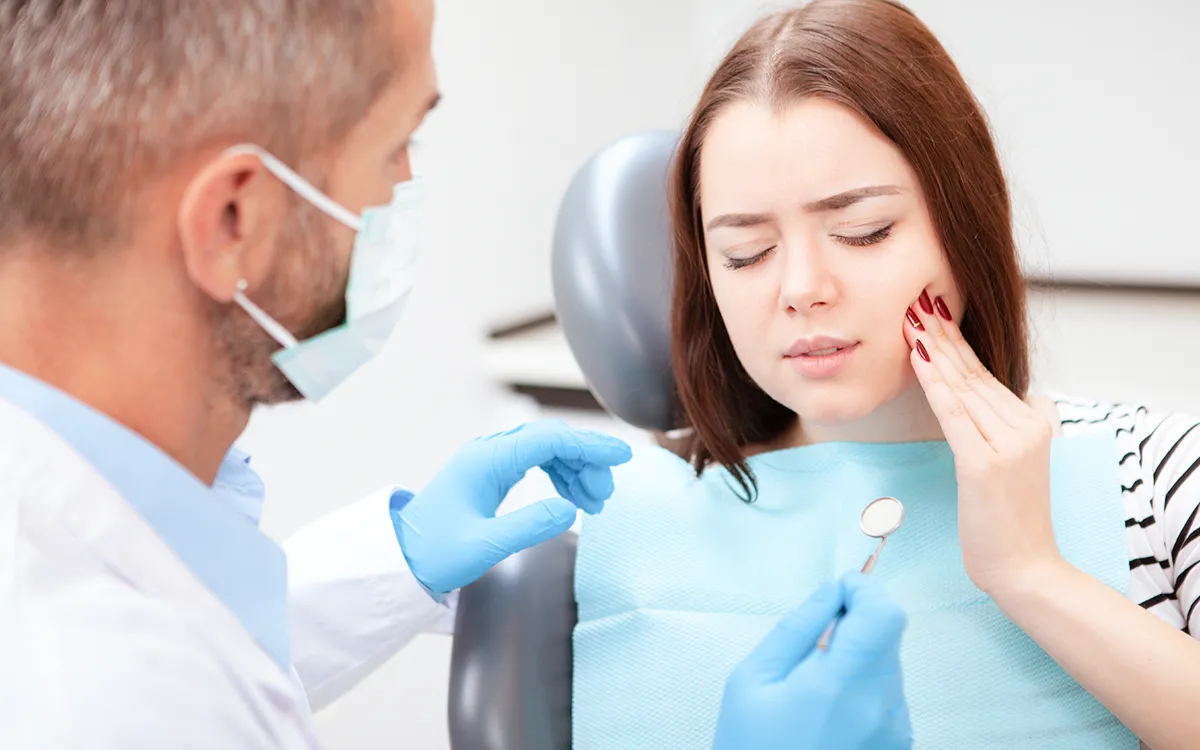
When the pulp is under stress, your body lets you know there’s a problem. When these signs appear, you need to pay attention. Typically, they indicate that the problem has progressed beyond what a simple filling can resolve.
Sensitivity to hot or cold that lingers long after the stimulus is removed suggests deeper nerve involvement.
A constant ache, throbbing sensation, or discomfort that disrupts sleep points to inflammation within the pulp.
Localised swelling in the gums, sensitivity when biting, or a small pimple-like lesion may indicate infection.
A darkened or greyish tooth can signal internal damage or loss of vitality.
Important note: The absence of pain does not always mean the absence of disease. In some cases, the nerve may have already died, allowing infection to spread silently and form an abscess.
When a filling is not enough
Not all dental damage can be managed with a filling. Certain clinical situations require more comprehensive care to protect both the tooth and surrounding structures.
When decay extends beyond the outer enamel and dentine into the pulp, bacteria can trigger irreversible inflammation.
Even fine cracks can allow bacteria to enter the inner chamber of the tooth, leading to infection over time.
Teeth that have undergone multiple restorations may develop chronic irritation, eventually compromising the pulp.
A tooth that has been knocked or impacted may sustain internal damage, even if the external appearance seems unchanged.
Why timing matters for long-term health
Putting off your treatment is not a good idea. This can allow infection to progress to the point where it affects more than just the tooth itself.
Untreated infection can spread to the surrounding bone, leading to gradual bone loss and structural weakness.
Oral bacteria have the potential to enter the bloodstream, contributing to broader health concerns.
Preserving the natural tooth helps prevent neighbouring teeth from shifting, which can affect bite and function.
Root canal therapy supports stability at every level. It addresses the immediate issue while protecting the broader ecosystem of the mouth.
Your tooth-saving procedure at a glance
Root canal therapy is typically completed in two key stages.
The infected pulp is removed, and the internal canals are meticulously cleaned using specialised instruments and antibacterial solutions.
Once disinfected, the canals are sealed. In most cases, a custom crown is placed over the tooth to restore strength, function, and appearance.
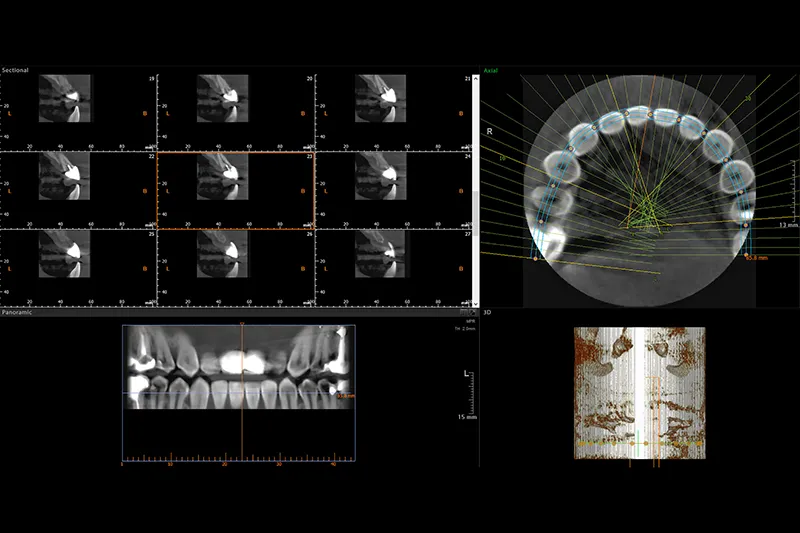
Modern imaging, including 3D scans, allows for highly accurate diagnosis and treatment planning. This precision improves outcomes and helps to ensure the tooth remains functional for many years.
A future built on preservation
Root canal therapy is not the end of a tooth’s life. It is a restorative step that allows the tooth to remain functional, stable, and comfortable.
Choosing timely treatment supports long-term oral health, reduces the need for more complex procedures, and maintains the natural structure of your smile. With proper care, a treated tooth can last as long as any other.
Informed care for lasting, natural health
Oral health choices carry forward into how you feel, eat, and live each day. With regular care and early attention, treatment can stay simple and focused on preserving what’s already there.
Timely assessment helps avoid more complex procedures and supports comfortable, lasting results.
A healthy smile comes from consistency, thoughtful care, and a commitment to keeping your natural teeth for as long as possible.