
3D printed crowns while you wait with Ceramix-Nano
Your crown used to be made far away in a lab. Now the lab can come chairside.
Digital technology is changing how dentists restore teeth. Instead of relying on traditional impressions and off-site production for every case, dentists can now scan a tooth, design the restoration digitally and, with advanced 3D printing, produce selected restorations right there in the dental practice.
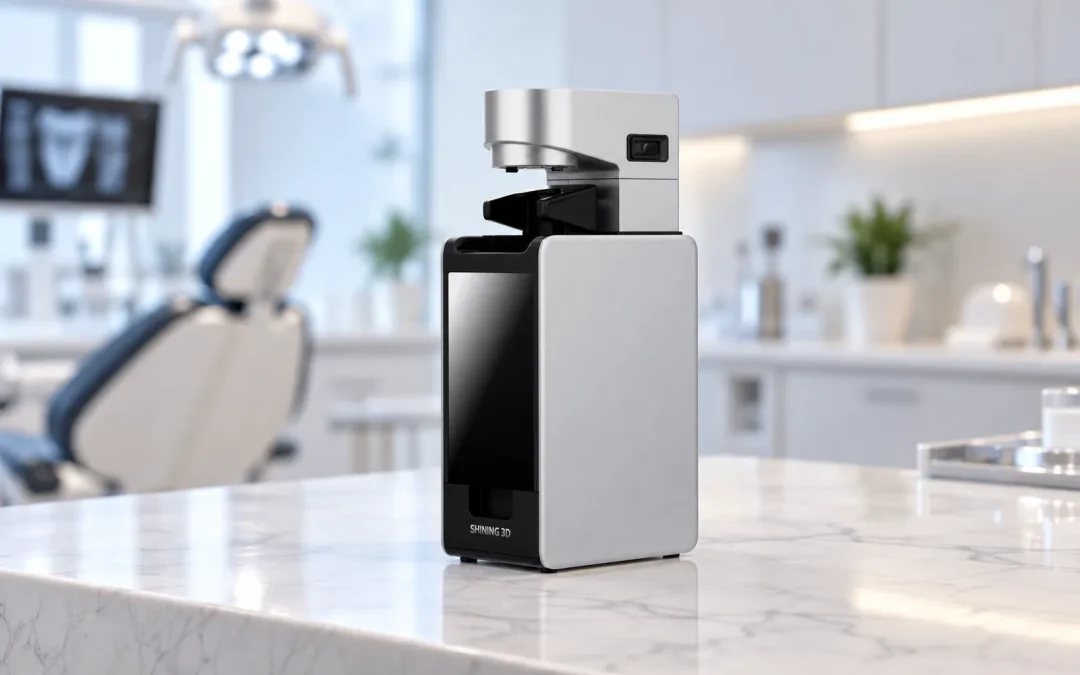
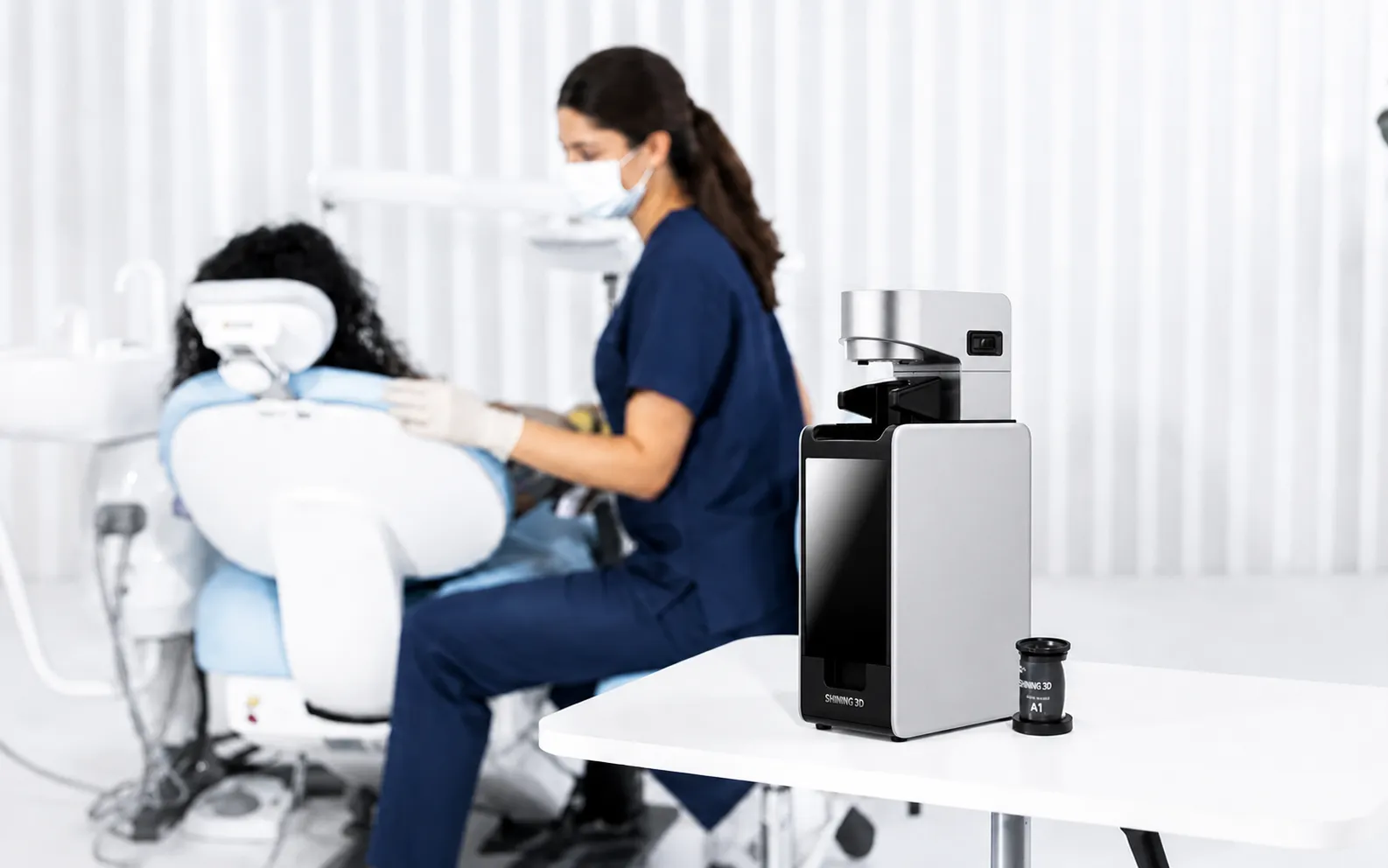
The Ceramix-Nano Capsule Printer from SHINING 3D Dental brings this technology chairside. Designed for use within the dental practice, it can 3D print permanent crowns, veneers, inlays, onlays and selected bridges using ceramic-filled restorative materials.
For suitable cases, that could mean walking in for treatment and leaving with your permanent restoration the same day.
What is the Ceramix-Nano?
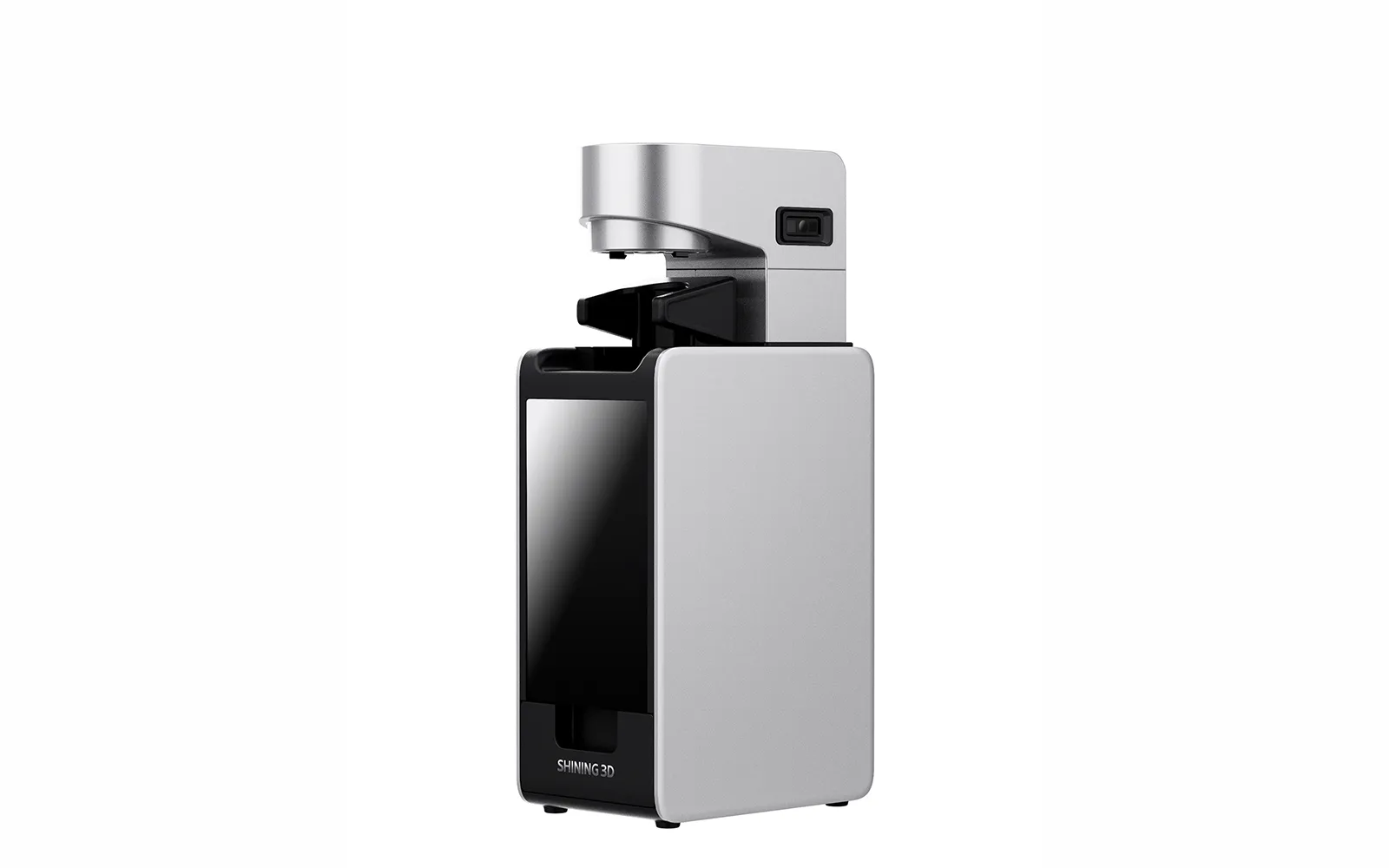
The Ceramix-Nano is a compact dental 3D printer designed to manufacture permanent restorations within the dental practice.
It combines printing and curing in one small unit and uses pre-measured capsules containing ceramic-filled restorative material. The system is designed to simplify the manufacturing process while connecting with digital scanning and design software.
The printer can produce a range of restorations, including:
- Crowns
- Veneers
- Inlays
- Onlays
- Selected three-unit bridges
It weighs around 2 kg, making it considerably more compact than many conventional digital manufacturing systems.
More importantly, it is designed around a chairside workflow, bringing several stages of restorative treatment closer together.
How does a 3D printed crown work?
The process begins with a digital scan of the patient’s teeth.
Step 1: Digital scanning
After the tooth has been prepared, an intraoral scanner captures a detailed three-dimensional image of the tooth and surrounding structures.
Unlike a traditional physical impression, the digital information can be transferred directly into design software.
Step 2: Digital design
The scan is then used to design the restoration.
SHINING 3D’s AI Design system can assist in creating a proposed crown design based on the patient’s anatomy and surrounding teeth. The manufacturer states that an initial AI-assisted design can be generated in around 90 seconds to two minutes.
The dentist reviews the design and makes any necessary adjustments before it is manufactured.
AI is therefore used as a design aid, rather than replacing the dentist’s clinical judgement.
Step 3: 3D printing and curing
Once the design has been approved, the restoration is sent to the Ceramix-Nano for printing.
A single crown can be printed in approximately 8 to 11 minutes, followed by around three minutes of curing. The printing and curing stages take place within the same compact system.
Step 4: Final checks and placement
The printed restoration still needs to be cleaned and appropriately finished before it is used.
The dentist checks its fit, contacts, appearance and bite before cementing it into place.
This final assessment remains an important part of the process. A faster manufacturing workflow does not remove the need for careful clinical judgement.
Could this mean a same-day crown?
Potentially, yes.
SHINING 3D describes a complete digital workflow that can take a suitable case from intraoral scan to permanent restoration in under 30 minutes.
That does not mean every crown will take only 30 minutes from start to finish.
A real appointment also involves examining the tooth, diagnosing the problem, preparing the tooth, scanning, reviewing the design, finishing the restoration and checking the fit before placement.
The significance is that several stages that may traditionally have been separated across different appointments can potentially be completed within one connected workflow.
For the right patient and the right case, this could mean receiving a permanent restoration in a single visit rather than waiting for a laboratory-made restoration at a later appointment.
What types of restorations can it produce?
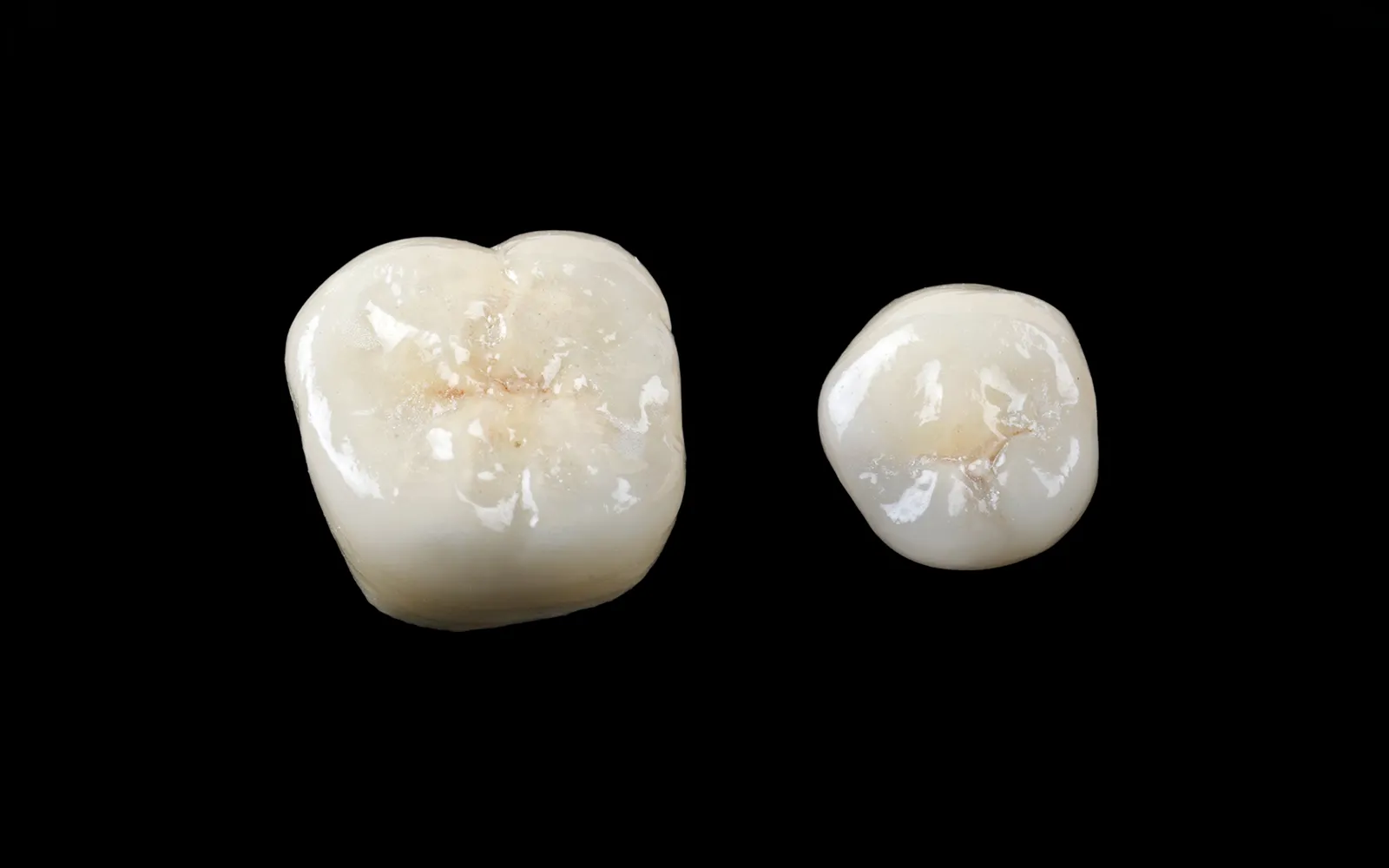
The Ceramix-Nano is designed for several types of restorative treatment.
Crowns
Crowns cover and protect teeth that have lost significant structure through decay, fractures, large fillings or other damage.
A chairside 3D printed crown may be an option when the tooth and material are suitable for this type of restoration.
Veneers
Veneers cover the visible surface of a tooth and can be used in appropriate cases to change its shape, colour or appearance.
The suitability of a veneer depends on the condition of the tooth, the patient’s goals and the long-term treatment plan.
Inlays and onlays
Inlays and onlays can restore teeth that require more than a conventional filling but may not need a full crown.
They can be used to restore damaged areas while preserving as much healthy tooth structure as possible when clinically appropriate.
Bridges
The system can also accommodate selected bridge restorations, including three-unit bridges, depending on the restorative material and its approved indications.
The specific type of restoration and material always needs to be determined by the treating dentist.
What makes the technology different?
The Ceramix-Nano is designed specifically for high-performance ceramic-filled restorative materials.
One of its materials, LumiCera, contains 55% ceramic filler according to SHINING 3D and is available in five VITA shades: BL, A1, A2, B1 and C2.
Ceramic-filled resin is different from materials such as zirconia or lithium disilicate. Each restorative material has its own properties and clinical indications, so the printer does not replace every other type of dental restoration.
Instead, it provides dentists with another option for suitable cases.
What could chairside 3D printing mean for patients?
The biggest advantage is convenience.
When a restoration can be digitally designed and manufactured within the practice, suitable patients may benefit from:
- Fewer appointments
- Less waiting for a permanent restoration
- Less time wearing a temporary restoration
- Faster completion of selected treatments
- A more streamlined treatment experience
It can also make the workflow more flexible for the dental team.
Importantly, that convenience still comes with the same attention to detail. Every restoration needs to be suitable for the tooth, carefully designed and thoroughly checked for fit, appearance and bite before it is placed.
Is 3D printing suitable for every dental restoration?
No.
The best treatment depends on the condition of the tooth, the amount of healthy tooth structure remaining, the patient’s bite, aesthetic requirements and many other clinical factors.
In some cases, a filling may be more appropriate than a crown. In others, a traditional laboratory-made restoration or a different restorative material may provide a better option.
The role of technology is to give dentists more options, not to determine treatment on its own.
What does this mean for the future of dentistry?
The Ceramix-Nano is part of a broader shift towards connected digital dentistry.
A tooth can now be digitally scanned, its restoration designed with software assistance and, in suitable cases, the final restoration manufactured within the dental practice.
That brings diagnosis, design and manufacturing closer together.
As digital dentistry continues to develop, patients may see more treatments become faster and more streamlined. The important measure, however, will always be whether the technology helps dentists provide safe, appropriate and effective care.
Prevention still comes first
It is easy to focus on the impressive technology behind a 3D printed crown. Yet the best restoration is often the one a patient never needs.
Crowns, veneers, inlays and onlays can restore teeth after they have been damaged or weakened. Regular dental care can help identify problems before they progress to that stage.
Good daily oral hygiene, including brushing twice a day with fluoride toothpaste and cleaning between the teeth, helps protect your teeth and gums. Regular dental visits also give your dentist an opportunity to detect early signs of decay, gum disease, tooth wear and other problems.
Modern dentistry is becoming increasingly digital, but prevention remains wonderfully straightforward.
Look after your teeth every day, keep up with your regular dental visits and address problems early. The technology may change, but those habits will always be at the heart of a healthy smile.