

Wisdom in earlier wisdom teeth removal
Wisdom teeth are experts at flying under the radar. They can stay quiet for years, then suddenly demand attention with pain or swelling. When that happens, it’s rarely sudden—and earlier care could have helped avoid escalation.
This is why dentists often suggest keeping a close eye on wisdom teeth early on and, in many cases, removing them before they become a problem. Tackling them sooner can mean a simpler procedure, an easier recovery, and far less chance of complications down the track.
Let’s dive into what wisdom teeth actually are, why they so often cause issues, and why dealing with them early can be a much gentler option for your long-term oral health.
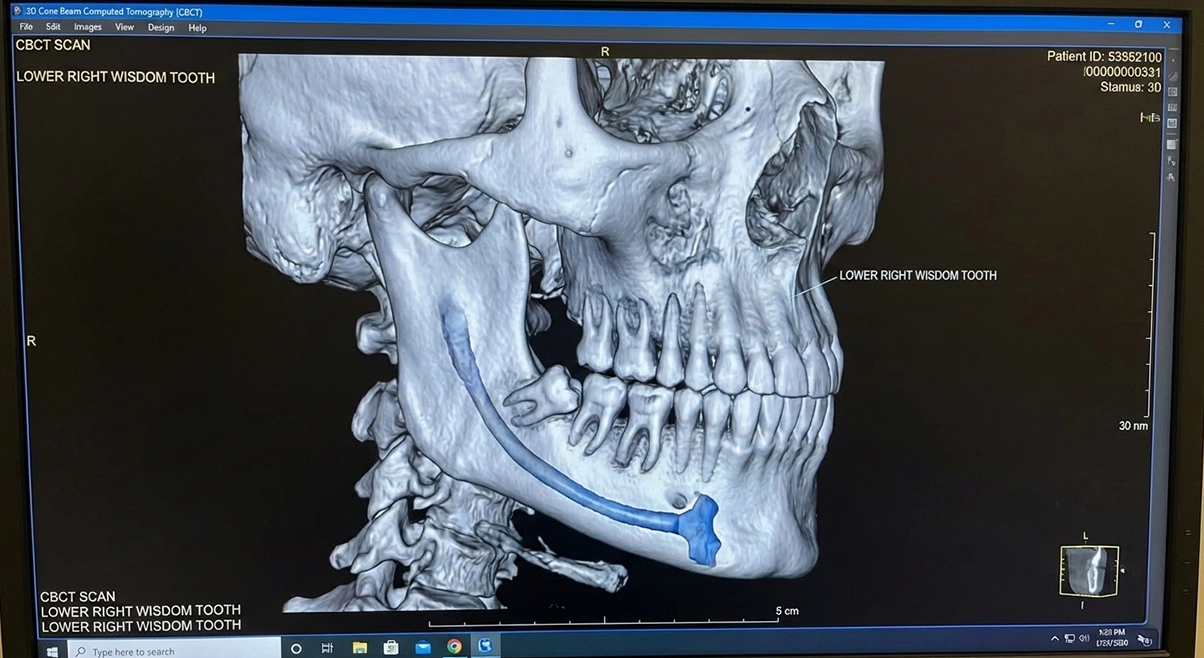
What are wisdom teeth?
Wisdom teeth are the third and final set of molars to develop. They usually begin to emerge between the ages of 17 and 25 and sit right at the very back of the mouth, behind the second molars.
Historically, these teeth played an important role. Early humans relied on them to help chew tough, unprocessed foods, and jaws were generally larger to accommodate the extra teeth. Over time, our diets have softened, and jaw sizes have become smaller. For many people today, there simply isn’t enough space for wisdom teeth to come through properly.
As a result, wisdom teeth often erupt at awkward angles, only partially break through the gums, or remain trapped beneath the gum or bone. When this happens, they can become difficult to clean and more likely to cause dental problems, even if they aren’t causing pain straight away.
Why do wisdom teeth often need to be removed?
Not everyone needs their wisdom teeth removed, but for many people, keeping them can lead to ongoing dental issues. Because wisdom teeth arrive last and sit so far back in the mouth, they often don’t have the space they need to come through properly.
Common reasons wisdom teeth are recommended for removal include:
- Lack of space, which can cause crowding or pressure on nearby teeth
- Partial eruption, where the tooth only breaks through the gum, creating a trap for food and bacteria
- Impaction, meaning the tooth is stuck under the gum or jawbone and cannot erupt normally
- Difficulty cleaning, increasing the risk of tooth decay and gum disease
- Repeated infections or ongoing inflammation around the surrounding gum tissue
Due to their position, wisdom teeth are harder to reach with a toothbrush and floss. Even people with excellent oral hygiene can struggle to keep them clean, allowing plaque and bacteria to build up over time. This is often why problems develop quietly, well before any obvious pain appears.
What is an impacted wisdom tooth?
An impacted wisdom tooth is one that cannot come through normally. This usually happens when there isn’t enough room in the jaw or when the tooth is positioned at an awkward angle. Instead of erupting straight up, it may grow sideways, tilt forward or backward, or remain completely trapped beneath the gum and bone.
When a wisdom tooth is impacted, it can lead to a range of problems, including:
- Pain or ongoing jaw stiffness
- Swelling, tenderness, or redness around the gums
- Repeated gum infections
- Pressure or damage to neighbouring teeth
- Tooth decay in areas that are difficult to clean
In some cases, a fluid-filled sac, known as a cyst, can develop around an impacted wisdom tooth. Over time, this can affect the surrounding bone or nearby teeth if left untreated. Identifying impacted wisdom teeth early and addressing them at the right time helps reduce the risk of these complications and protects your overall oral health.

Signs and symptoms that shouldn’t be ignored
Problems with wisdom teeth don’t always show up as sharp pain straight away. In fact, issues often develop gradually, with subtle signs that are easy to brush off at first.
Some common warning signs to watch for include:
- Swollen, tender, or bleeding gums at the back of the mouth
- Persistent bad breath or a lingering unpleasant taste
- Jaw pain, stiffness, or difficulty opening your mouth fully
- Headaches or pain that radiates towards the ears
- Discomfort or pain when chewing
If you notice any of these symptoms, it’s best not to simply wait and hope they settle. A dental check-up can quickly determine whether your wisdom teeth are involved and help address the issue before it turns into something more painful or complicated.
When is the best time to remove wisdom teeth?
For many people, the ideal time to remove wisdom teeth is during the late teenage years or early twenties. At this stage of development, the mouth and jaw are generally more forgiving, which can make a noticeable difference to both the procedure and recovery.
At this age:
- The tooth roots are often not fully formed
- The jawbone is less dense
- Healing is usually quicker and more comfortable
- The risk of complications is typically lower
Having wisdom teeth removed earlier often means a simpler extraction and a smoother recovery overall. Waiting until problems develop later in life can increase the likelihood of pain, infection, and a more complex surgical process, which is why early assessment and timely treatment are so often recommended.
What happens during wisdom teeth extraction?
Wisdom teeth removal is a carefully controlled dental procedure designed to minimise discomfort and ensure a smooth recovery. The procedure usually involves:
1. Assessment and anaesthesia – Your dentist or oral surgeon will review X-rays, discuss the procedure, and apply local or general anaesthesia to keep you comfortable throughout.
2. Incision and access – If the tooth is impacted, a small incision may be made in the gum to expose the tooth and surrounding bone.
3. Tooth removal – The dentist gently removes the tooth. In some cases, the tooth may be sectioned into smaller pieces to make removal easier.
4. Cleaning and closure – The site is cleaned, and the gum may be stitched to promote healing. A protective gauze is placed to control bleeding.
5. Aftercare – You’ll receive instructions on pain management, swelling reduction, and how to care for the extraction site to prevent complications like infection or dry socket.
Most patients experience mild swelling and soreness for a few days, which gradually improves. Early removal, particularly in teens and young adults, usually makes the procedure simpler, the recovery faster, and lowers the risk of complications.

Why bigger problems can arise from waiting
Putting off wisdom teeth removal can allow small, manageable issues to quietly turn into bigger problems over time. What starts as a minor concern can gradually affect neighbouring teeth and overall oral health.
Delaying treatment can increase the risk of:
- Painful or recurring infections
- Tooth decay spreading to nearby teeth
- Gum disease around hard-to-clean areas
- Crowding or unwanted shifting of surrounding teeth
- More complex and invasive extractions later on
As we get older, the jawbone naturally becomes denser and wisdom tooth roots fully develop. This can make removal more involved and recovery less straightforward. What could have been a relatively simple procedure earlier on may become more challenging if left too long, which is why timely assessment can make such a meaningful difference.
Risks and possible complications
Wisdom teeth removal is a routine and generally very safe procedure. That said, as with any form of dental surgery, there are some risks to be aware of. These are usually temporary and manageable with proper care.
Possible risks include:
- Swelling and mild to moderate discomfort
- Temporary jaw stiffness or limited opening
- Infection at the extraction site
- Dry socket, which occurs when the protective blood clot becomes dislodged during healing
Carefully following your dentist’s aftercare instructions plays a big role in reducing these risks. Avoiding smoking, keeping the area clean, and attending follow-up appointments all support proper healing. In many cases, having wisdom teeth removed earlier also lowers the likelihood of complications and leads to a smoother recovery overall.
Can you nip wisdom teeth problems in the bud?
You can’t always stop wisdom teeth from causing problems, but you can significantly reduce the risk of complications with the right care and early monitoring.
Simple steps that make a real difference include:
- Attending regular dental check-ups
- Having X-rays taken to track how wisdom teeth are developing
- Maintaining good oral hygiene, especially around the back teeth
- Acting on early signs before pain or infection sets in
Taking a proactive approach gives your dentist the opportunity to monitor changes over time and advise whether ongoing observation or timely removal is the best option for your individual situation.

Timely care for a healthier smile
Don’t wait until the pain hits before thinking about your wisdom teeth. They don’t always make themselves known, but that doesn’t mean they’re harmless. Catching potential issues early can save you discomfort, stress, and a more complicated procedure down the track.
Regular dental check-ups, honest conversations with your dentist, and consistent oral hygiene are all key to keeping your smile healthy for years to come. If your wisdom teeth are developing or starting to cause concern, getting them assessed sooner rather than later can make a real difference.
Caring for your future smile means acting before the problem asks for attention. An early assessment can bring clarity and peace of mind. Our caring team at Alma Dental Surgery is here to help you discover oral health confidence today.
* All surgical or invasive dental procedures carry risks. Results may vary from person to person. Always consult a qualified dental professional for personalised advice and treatment.