

When tooth removal is the best call
We get it! Nobody jumps for joy when they hear they need a tooth out. Yet there are situations where holding onto a tooth that’s causing constant trouble does more harm than good. If you say goodbye to a problematic tooth which has no better treatment options, you can protect your oral health, prevent future complications, and set the stage for a healthier smile. Understanding why, when, and how a tooth removal happens can make the experience less daunting and more empowering.
What is tooth removal?
Tooth removal, also known as extraction, is a dental procedure where a tooth is carefully taken out of its socket in the jawbone. Although losing a natural tooth can feel concerning, extractions are often recommended to prevent further damage, control infection, or support a wider treatment plan. Dentists always aim to preserve natural teeth wherever possible, but when a tooth can no longer function safely or comfortably, removal becomes the most responsible option for protecting your overall oral health.

Why a tooth may need removal
Teeth are designed to be preserved wherever possible. However, when a tooth becomes a source of ongoing pain, infection, or structural risk, removal may be the most effective way to protect surrounding teeth, oral tissues, and overall health.
Severe decay or infection
When decay progresses beyond the enamel and dentine into the pulp, the tooth’s nerve and blood supply can become infected. At this stage, bacteria may spread into the surrounding bone and soft tissues. If the tooth cannot be predictably restored, extraction removes the infection source and helps prevent more serious complications.
Advanced gum disease
Periodontal disease affects the structures that anchor teeth in place. As bone loss progresses, affected teeth may loosen, trap bacteria, and compromise neighbouring teeth. Removing severely affected teeth can stabilise the mouth and support healthier gum and bone conditions.
Impacted or poorly positioned teeth
Teeth that fail to erupt normally, including wisdom teeth or adult teeth blocked by retained baby teeth, can become difficult to clean and prone to infection. These teeth may also place pressure on neighbouring teeth. Extraction helps prevent crowding, pain, and recurrent inflammation.
Overcrowding and orthodontic needs
In some cases, the jaw does not have enough space to accommodate all teeth comfortably. Strategic removal of certain teeth allows remaining teeth to align properly, improving bite function, appearance, and long-term oral health.
Trauma or severe structural damage
Teeth that have been cracked, fractured, or damaged due to injury may not be repairable. When the structural integrity of a tooth is compromised, extraction prevents ongoing pain and reduces the risk of infection.
Recurrent infection or unsuccessful treatment
Some teeth continue to develop infection despite previous treatments, such as root canal therapy. Repeated flare-ups can place stress on the immune system and surrounding tissues. In these cases, extraction may provide a definitive solution.
Children’s dental development considerations
In children, severely decayed or infected baby teeth may require removal to relieve pain and prevent infection from affecting developing adult teeth. Over-retained baby teeth may also need to be removed to allow permanent teeth to erupt into the correct position.
Medical and systemic health considerations
For patients preparing for medical treatments that weaken the immune system, compromised teeth may pose a serious infection risk. Removing these teeth beforehand helps reduce complications and supports overall treatment safety.
The importance of careful assessment
Tooth removal is never a rushed decision. Dentists consider the tooth’s condition, overall oral health, age, and long-term outcomes before recommending extraction. When advised, it is done to protect health, not to remove teeth unnecessarily.

What to expect during a tooth extraction
Tooth extractions are generally straightforward procedures, designed to be as comfortable and safe as possible. Most extractions are performed under local anaesthetic, which numbs the area and ensures you remain pain-free throughout the process.
There are two main types of extractions:
- Simple extraction: This applies to teeth that are fully visible above the gum line. The dentist first uses a dental elevator to gently loosen the tooth from its socket and then removes it with dental forceps, taking care to protect surrounding teeth and tissues.
- Surgical extraction: Some teeth, such as impacted wisdom teeth, broken teeth, or teeth below the gum line, require a more involved procedure. This may include small incisions in the gum or minor removal of bone to access the tooth safely. Surgical extractions are also performed under local anaesthetic, sometimes with sedation for additional comfort.
During the procedure, your dentist will gently loosen and remove the tooth while preserving surrounding structures. After extraction, a gauze pad is placed over the socket to control bleeding, and stitches may be used if needed to promote healing. Your dentist will provide clear post-procedure instructions to support a smooth and comfortable recovery.
Caring for your mouth after extraction
Proper care after a tooth extraction is essential for comfort, healing, and preventing complications such as infection or dry socket.
Control bleeding: Gently bite on the gauze pad placed over the extraction site for the first hour. Replace it as needed, and avoid excessive pressure or frequent changes. Controlled bleeding is a normal part of healing.
Manage pain and swelling: Over-the-counter pain relievers can help ease discomfort. Cold compresses applied to the outside of the cheek can reduce swelling during the first 24 hours. Always follow your dentist’s specific instructions for medication and timing.
Follow a soft diet: Stick to soft foods such as yoghurt, soup, or mashed vegetables for the first few days. Avoid hot, spicy, crunchy, or hard foods that could irritate the extraction site.
Maintain oral hygiene carefully: Rinse gently with warm saltwater starting 24 hours after extraction to keep the area clean. Brush your other teeth as usual but be careful around the extraction site to avoid disturbing the healing socket.
Avoid actions that strain the extraction site: Do not smoke, use straws, or spit forcefully. These actions can dislodge the blood clot that protects the socket, leading to delayed healing or a painful dry socket.
Most extractions heal within about a week, although full recovery of the gums and bone may take longer. Your dentist will provide personalised guidance to ensure a smooth, comfortable recovery and answer any questions along the way.
Plan a healthy future
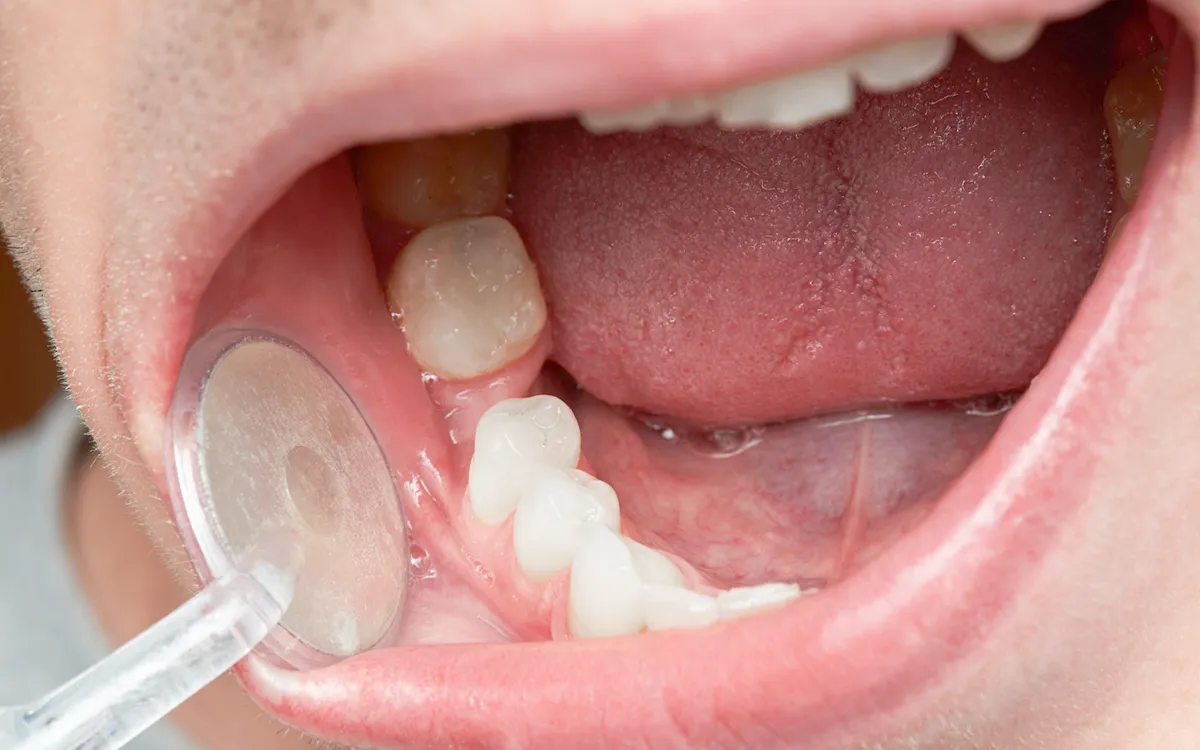
A missing tooth sets in motion wider impacts than many realise. This goes beyond appearance and daily function. Missing teeth can impair chewing and speech, while unfilled gaps lead to tooth movement, bite instability, and progressive changes in jawbone health. Early planning for tooth replacement helps preserve both function and appearance, keeping your smile balanced and comfortable.
Dentists typically discuss several replacement options tailored to your needs:
- Dental implants: Titanium posts placed in the jawbone to support a natural-looking crown, offering long-term stability and preventing bone loss.
- Dental bridges: A prosthetic tooth anchored to neighbouring teeth, restoring chewing ability and filling the gap.
- Partial dentures: Removable prosthetics that replace one or more missing teeth, helping maintain function and aesthetics while being more flexible.
Considering these options early allows you to make informed decisions that protect your oral health, support overall wellbeing, and maintain a confident smile.
Keep your smile healthy for life
A necessary tooth extraction is not a story of loss, but of preserving your smile for the long run. It can be a positive step toward a healthier, pain-free mouth, taken only when a tooth can no longer be predictably saved. Your dentist’s goal is always to preserve your natural teeth for as long as possible, with extraction only considered when it best protects your overall oral health. Consistent home care, good oral hygiene habits, and regular professional check-ups remain the most effective ways to prevent future extractions and protect your long-term oral health.
When an extraction is needed, it doesn’t have to be a drama. Open communication with your dentist ensures you understand the procedure, follow proper aftercare, and recover comfortably. With the right guidance, you can restore your smile, maintain its function and appearance, and get back to feeling your best with confidence.