
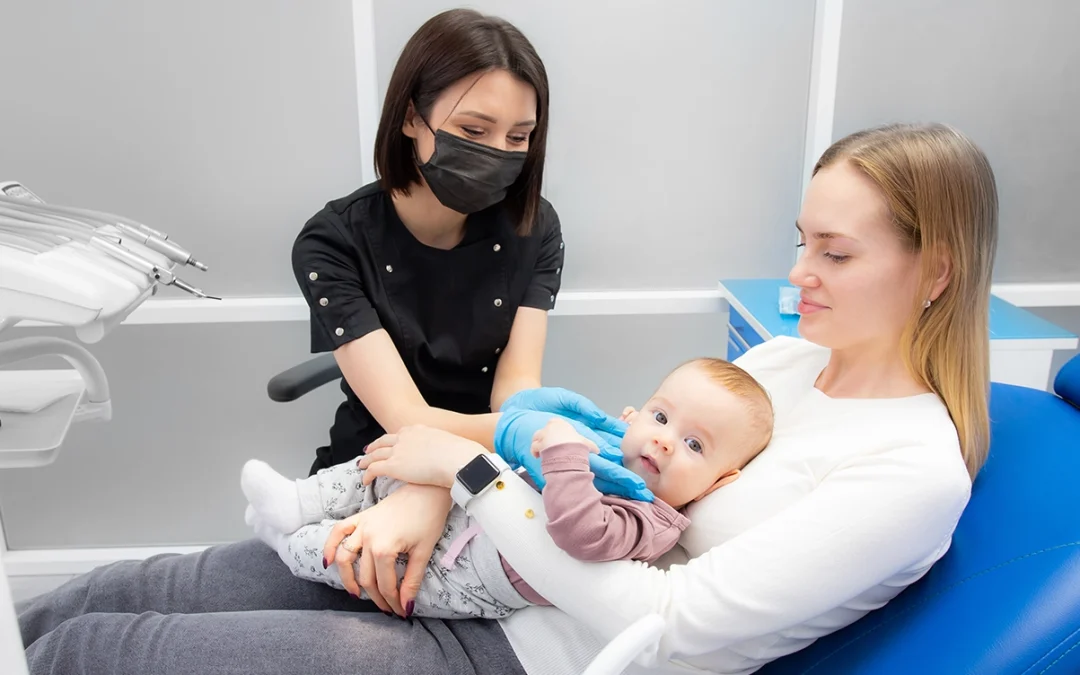
Was it only yesterday that your baby’s first tiny tooth broke through? It often feels like it. Now they’re tasting new foods, babbling, and flashing those cheeky, toothy grins. Amid all these milestones comes an important question: when should their first dental visit happen?
Dental professionals recommend seeing a dentist when the first tooth appears, or by the first birthday. This isn’t about drills or fillings. It’s about laying a strong foundation for lifelong oral health, catching potential issues early, and helping your child feel safe and comfortable in the dental chair from the very start. Here’s why that age-one visit is the gold standard and how it sets your child up for a healthy smile for years to come.
The “first tooth, first birthday” rule
The Australian Dental Association (ADA) recommends a first dental visit when the first tooth appears, or by your child’s first birthday. By this time, enough teeth have usually emerged for the dentist to assess development, bite, and early signs of decay. This initial check allows potential issues to be identified and guided early, before they become more complex. Equally important, it helps establish dental care as a normal, positive part of your child’s routine from the very beginning.

It’s not just about teeth, it’s about growth
A baby’s oral health is closely linked to overall development. During the first visit, the dentist looks beyond the teeth to assess the jaw, bite, tongue function, and oral muscles. Identifying concerns such as developing bite issues, prolonged thumb-sucking, or tongue-tie at an early stage can help prevent difficulties with speech, feeding, and facial growth later on. This initial appointment creates a thoughtful starting point for healthy development, with guidance or early intervention where appropriate.
Prevention is better and cheaper than cure
Early preventive care significantly reduces the risk of painful and costly dental problems later in life. At this stage, your dentist focuses on education, including gentle brushing techniques for tiny teeth, teething guidance, and practical nutrition advice that helps strengthen developing enamel. Simple measures, such as appropriate fluoride use and good daily habits, protect delicate baby teeth from decay and support the healthy arrival of permanent teeth in the years ahead.
Making the dentist “normal” for your child
Early dental visits gently familiarise children with the clinic environment, the people who work there, and the simple routines of a check-up. Gradual exposure to new sights and sounds, paired with calm and supportive care, helps build comfort rather than fear. When dental visits feel familiar from the very beginning, children are more likely to develop a positive association with oral care, making future appointments smoother and less stressful for both child and parent.

What actually happens during the visit?
A first dental appointment is designed to be gentle, calm, and non-invasive. Rather than treatment, the focus is on assessment, guidance, and reassurance. During the visit, the dentist or hygienist will:
- Carefully examine your child’s teeth, gums, and jaw development
- Look for early signs of decay or enamel concerns
- Discuss feeding, teething, and oral habits that may affect dental health
- Demonstrate age-appropriate brushing techniques and daily care routines
- Answer your questions and provide clear guidance for ongoing prevention
Most of the appointment centres on observation and education, so you leave feeling informed, supported, and confident about caring for your child’s smile.
Tips for a stress-free first visit
Parents play an important role in shaping how their child experiences the dentist. A few simple steps can make the visit calm and reassuring:
- Choose a time when your baby is usually well-rested and alert.
- Bring a familiar toy, blanket, or comfort item.
- Use calm, positive language without unnecessary detail.
- Speak about the dentist in an encouraging way before the visit.
- Maintain familiar routines before and after the appointment.
When parents feel relaxed and confident, children are more likely to feel secure as well, turning that first dental visit into a smooth and supportive experience.

Don’t Forget About CDBS Benefits for Your Child
The Child Dental Benefits Schedule (CDBS) is an Australian Government program that provides eligible children aged 0–17 years with up to $1,158 (over two consecutive calendar years) in Medicare-funded dental benefits for basic dental services. This may include examinations, X-rays, professional cleaning, fissure sealants, fillings, root canal treatment and extractions.
A gift for their future
A first dental visit is a valuable investment in your child’s long-term health and confidence. Just as you would seek help in a heartbeat if they were unwell, early dental care helps protect their smile before problems begin.
Early guidance and preventive care help reduce the risk of cavities, bite problems, and dental anxiety down the track. When children are introduced to dental care from an early age, they are more likely to develop strong habits, trust their dentist, and feel comfortable looking after their smile as they grow.