

When is discomfort a dental emergency?
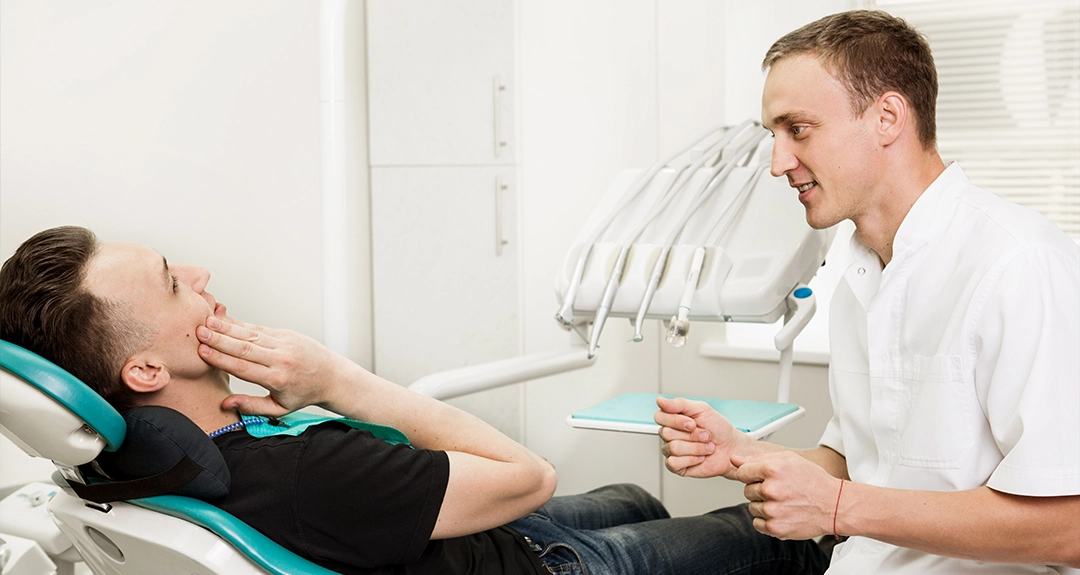
Tooth pain has a way of showing up when you have absolutely no time for it. One moment everything feels fine, and the next you’re wondering if this sudden, intense pain is a dental emergency and needs a dentist immediately, or if it is safe to wait until your next appointment. The truth is, not every dental problem is an emergency, but some truly are.
Is your discomfort a non-urgent dental concern or a dental emergency? Knowing the difference can help you protect your teeth, safeguard your overall health, and avoid unnecessary stress. This guide will walk you through how to recognise a dental emergency, what steps you can take right away, and when it is okay to pause and schedule a regular visit instead.

What makes a dental emergency?
A dental emergency is any oral health problem that requires prompt attention to prevent serious complications. This may include relieving severe pain, stopping ongoing bleeding or infection, preventing permanent damage to the teeth, gums, or jaw, and protecting your overall health.
If a dental issue feels sudden, intense, or is getting worse rather than better, it’s often your body’s way of telling you that it shouldn’t be ignored and needs professional care.
Clear signs you need a dentist immediately
Some dental problems can wait a day or two. Others should be assessed as soon as possible. If you notice any of the signs below, it’s best to contact a dentist promptly rather than trying to push through the discomfort.
Severe toothache that won’t settle
A mild or short-lived toothache can sometimes be monitored. However, persistent, intense, or throbbing pain that keeps you awake, spreads to your jaw or ear, or doesn’t improve with pain relief is a warning sign.
This type of pain may indicate:
- An infected tooth
- A dental abscess
- Deep decay that has reached the nerve
Infections inside a tooth don’t resolve on their own. Without treatment, they can spread beyond the tooth and affect surrounding tissues, which is why early care is important.
Facial swelling or swelling in the gums
Swelling around the jaw, cheek, gums, or even beneath the eye should never be ignored. It often suggests infection or inflammation that needs professional attention.
Possible causes include:
- A dental abscess
- A progressing infection
- Impacted teeth or facial trauma
If swelling is accompanied by fever, difficulty swallowing, or trouble breathing, seek urgent help straight away. These symptoms can signal a more serious medical situation.
A knocked-out or loose tooth
Accidents happen, whether it’s during sports, a fall, or everyday mishaps. When a tooth is knocked out or becomes suddenly loose, time matters.
- A knocked-out adult tooth has the best chance of being saved if you see a dentist within 30 to 60 minutes.
- A tooth that feels loose after trauma also needs immediate assessment, even if there’s little pain.
Acting quickly gives your dentist the best chance to stabilise or reposition the tooth successfully.
Heavy bleeding that won’t stop
Some bleeding after dental treatment or an injury can be normal. However, bleeding that continues for more than 20 to 30 minutes, even after applying firm pressure, is not.
This may be caused by:
- Gum or soft tissue injury
- Dental trauma
- Infection
- Certain medical or clotting conditions
Persistent bleeding should always be checked by a dental professional.

Warning signs of infection or abscess
A dental abscess is a pocket of infection and can become serious if left untreated.
Common signs include:
- A pimple-like bump on the gum
- A bad taste or discharge of pus
- Fever or feeling unwell
- Swollen lymph nodes
- Pain when biting or chewing
Dental infections don’t clear up on their own and usually require prompt treatment to prevent complications.
What discomfort might not be an emergency?
Not every dental problem needs urgent care, even if it’s uncomfortable or inconvenient. In certain cases, a regular appointment booking may suffice if you’re experiencing:
- Mild sensitivity to hot or cold
- A small chip or crack with no pain
- Food stuck between teeth
- A dull ache that comes and goes
- A lost filling or crown without discomfort
That said, when in doubt, a quick phone call to your dentist is always the right move. Each of these issues should still be checked sooner rather than later, but they don’t usually require immediate treatment. Keep in mind that if pain increases, swelling develops, or new symptoms appear, you then need to reassess and discuss that change with your dentist. Non-urgent discomfort right now can become a dental emergency sooner than you may expect, so remain alert and respond accordingly.

What to do while you wait to see a dentist
If you’re waiting for an appointment or unsure whether your situation is urgent, a few simple steps can help ease discomfort and protect the area in the meantime:
- Rinse gently with warm salt water to help soothe irritated tissues
- Apply a cold compress to the outside of the face if swelling is present (20 minutes on, 20 minutes off)
- Take pain relief as directed on the label, and avoid placing tablets directly on the gums
- Keep the area clean and try not to chew on the affected side
These measures are only temporary and won’t fix the underlying problem, but they can help keep things comfortable until professional care is available.
Why dental emergencies shouldn’t be ignored
Dental problems rarely stay small or manageable on their own. What starts as mild discomfort can quickly escalate if left untreated, often leading to more serious consequences.
Delaying care may result in:
- Increasing or persistent pain
- The spread of infection to surrounding tissues
- Permanent damage or loss of a tooth
- More complex, time-consuming, and costly treatment
- Effects on your general health, not just your mouth
Your oral health is closely linked to the rest of your body. When dental infections progress, they can spread beyond the teeth and gums, which is why early assessment and treatment are so important.

How dentists treat dental emergencies
Every dental emergency is different, so treatment is always tailored to the individual situation. Depending on the cause and severity, your dentist may focus on relieving pain, controlling infection, and preventing further damage.
Treatment may include:
- Managing pain and inflammation
- Treating or draining infections and abscesses
- Root canal treatment to remove infected tissue
- Stabilising, repositioning, or reattaching damaged teeth
- Temporary or permanent restorations to protect the tooth
- Prescribing antibiotics when clinically appropriate
The aim of emergency dental care is not just to resolve the immediate issue, but to restore comfort, protect your oral health, and support long-term outcomes.
Can dental emergencies be prevented?
While accidents can’t always be avoided, many dental emergencies are preventable with consistent care and a few smart habits. Small, everyday actions often play the biggest role in protecting your teeth long term.
Excellent oral habits can make a real difference:
- Regular dental check-ups to identify and treat issues early
- Daily brushing and flossing to keep teeth and gums healthy
- Wearing a mouthguard during contact sports or high-risk activities
- Avoiding habits like chewing ice or hard objects that can damage teeth
- Addressing minor concerns before they have a chance to worsen
Prevention doesn’t always draw attention to itself, but it’s one of the most effective ways to avoid pain, stress, and unexpected dental emergencies.

When in doubt, trust your dentist
If something feels wrong, painful, or simply not right, it’s worth checking. That’s not overreacting. It is being sensible and listening to your body.
A brief call to your dental clinic can help clarify whether a concern needs prompt attention or can safely wait for a scheduled appointment. Your dental team can guide you on next steps, timing, and whether further assessment is needed.
Looking after your smile isn’t just about responding to emergencies. It’s about regular check-ups, noticing changes early, and addressing small issues before they become more complex.
If you’re unsure, contact your trusted dental clinic and book the earliest appointment available. Early advice supports informed decisions, and often helps prevent unnecessary stress or complications.