
Case Study
Replacing Compromised Porcelain Veneers
Restoring structural integrity, aesthetic consistency, and a comfortable, balanced bite
A single fractured veneer prompted a broader assessment, which identified structural compromise across multiple anterior restorations. Segmental replacement from teeth 13 to 23 restored durability, occlusal stability, and cohesive aesthetics.
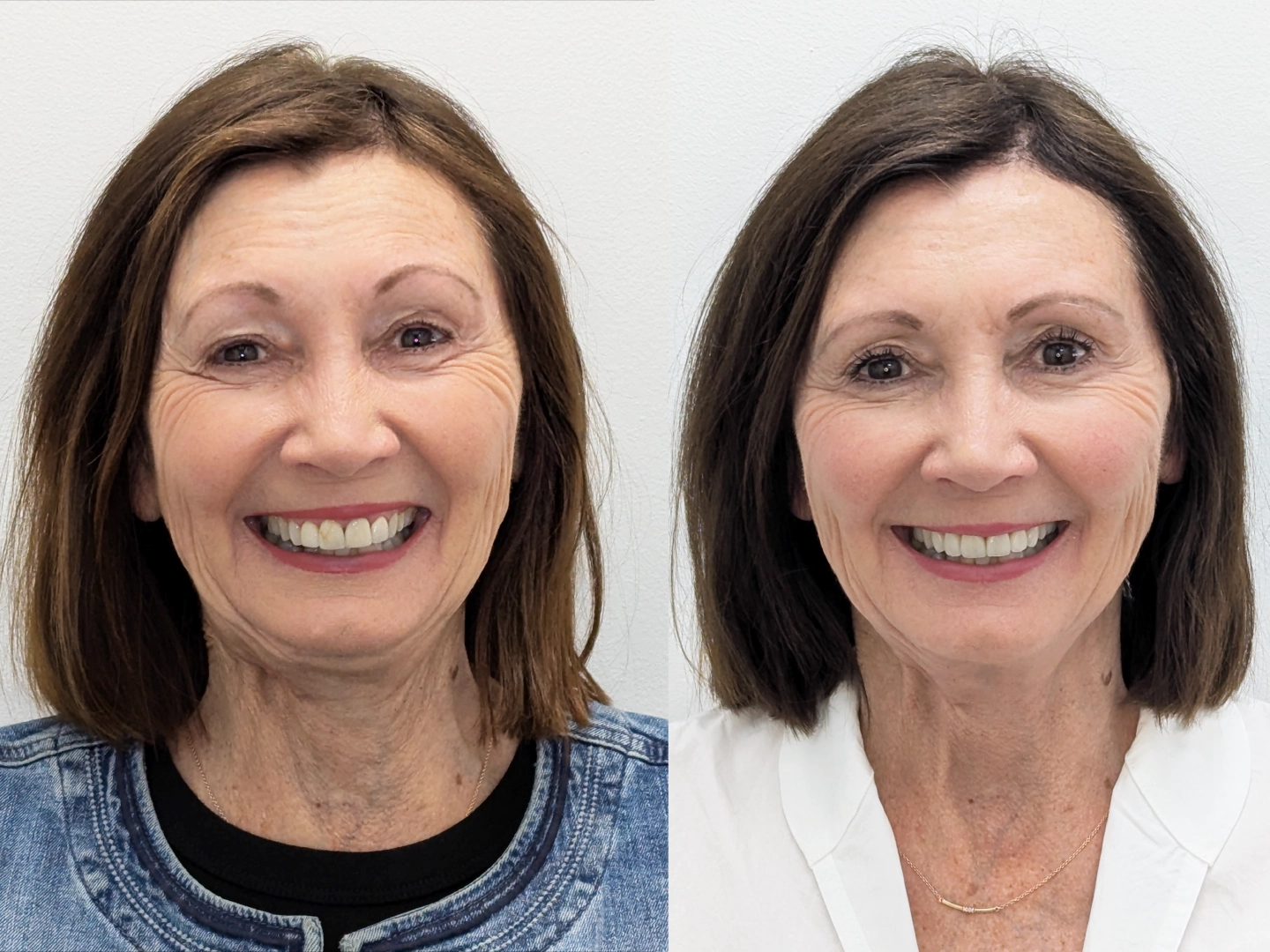
Rehabilitation of existing porcelain restorations
Ms. P presented with ageing upper anterior porcelain veneers showing fractures and early material breakdown. While the initial concern appeared localised, further evaluation revealed a broader pattern affecting multiple restorations.
This reframed the objective from isolated repair to comprehensive management of the anterior segment, supporting restoration of structural integrity, functional balance, and consistency in form and appearance.
Fractured veneers and emerging structural concerns
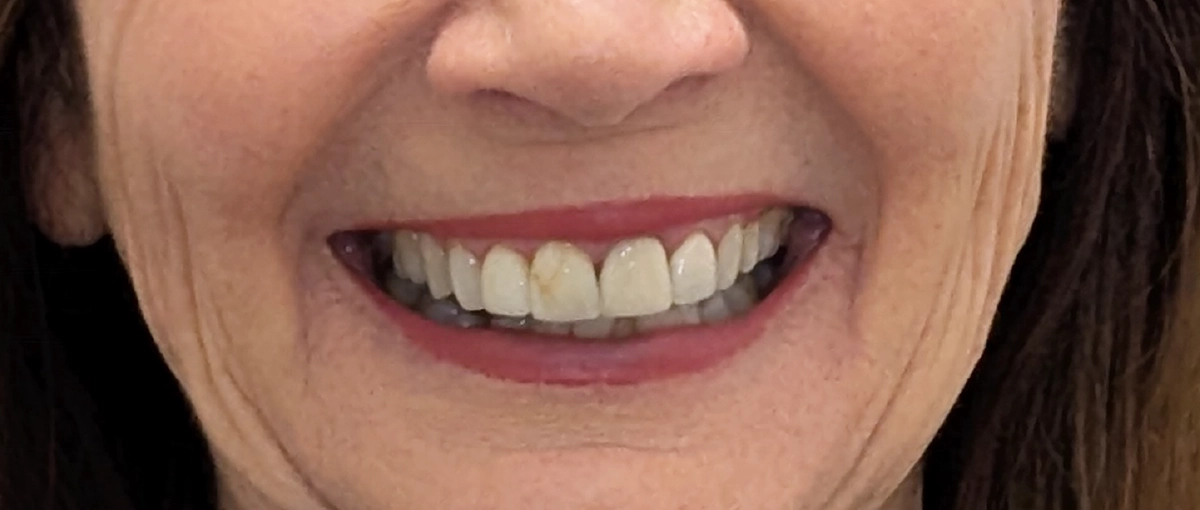
The patient’s primary concern was the fractured veneer on tooth 11. Visible fractures were also noted on tooth 13, with both extending through the ceramic.
Clinical examination identified additional fracture lines and early signs of material fatigue affecting adjacent veneers, indicating that the issue extended beyond a single restoration.
Evaluation of veneer integrity and adjacent structures
A detailed clinical assessment was undertaken to evaluate the condition of the existing restorations, underlying tooth structure, and occlusion. Six veneers had been placed several years prior.
Fracture lines were observed not only on teeth 11 and 13 but across the anterior segment, confirming compromised structural integrity.
These findings indicated that isolated replacement of a single veneer would not adequately address the broader risk of failure within the existing set.
From isolated repair to segmental rehabilitation
Initial discussions centred on replacing the veneer on tooth 11 in response to the patient’s primary concern. Following review of the clinical findings, a more comprehensive approach was considered.
A decision was made to replace the veneers from teeth 13 to 23. This approach aimed to:
- Address existing fractures and prevent further failure
- Establish uniformity in material properties across the anterior segment
- Improve overall balance in tooth shape, contour, and colour
The treatment plan prioritised structural predictability and cohesive integration.
Removal and placement of new porcelain veneers
The existing veneers from teeth 13 to 23 were carefully removed, preserving the underlying tooth structure. Each tooth was reassessed before preparation to ensure suitability for new restorations.
New porcelain veneers were fabricated with attention to:
- Accurate marginal adaptation
- Appropriate thickness for strength and translucency
- Harmonisation with adjacent teeth and gingival contours
The restorations were bonded using adhesive protocols designed to support long-term retention and stability.
Improved structural integrity and aesthetic consistency
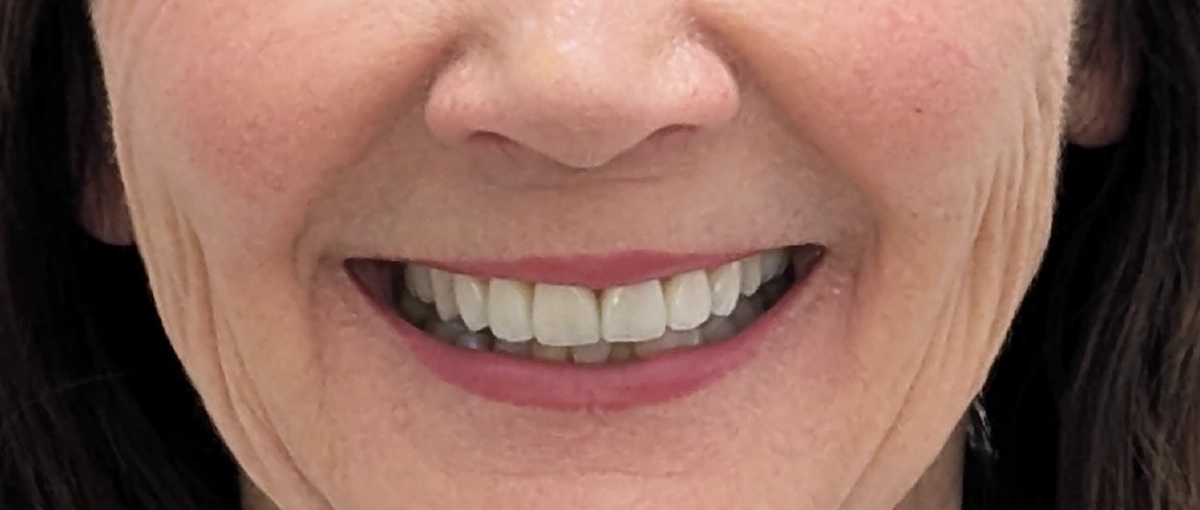
The revised restorations provided:
- Replacement of fractured and compromised veneers
- Improved uniformity in colour, contour, and surface texture
- Enhanced integration across the anterior teeth
- Functional stability under normal occlusal load
This case highlights the importance of assessing existing restorations beyond the site of visible failure. Fractures within ceramic materials may indicate broader structural fatigue, requiring a more comprehensive approach.
Ongoing maintenance, including regular review and monitoring of occlusal forces, remains essential to support the longevity of veneer restorations.
Managing veneer failure through comprehensive assessment
This case demonstrates the clinical considerations involved in revising existing porcelain veneers. While the initial concern was localised, a broader evaluation revealed the need for segmental replacement to achieve predictable outcomes.
A structured and measured approach supported both functional reliability and consistency across the restored anterior region.
* Clinical results depend on the unique needs and health profile of the patient. Please consult a qualified practitioner for a treatment plan tailored to your specific requirements.