

Dental veneers’ real value revealed
It’s the little things — a small chip, a faint stain, a touch of unevenness that shows up when you smile. If you don’t love those small imperfections in your smile, veneers could be exactly what you’re looking for. Before you take the next step, it’s worth learning what veneers are, how they work, and what your dentist will guide you through along the way.
While many people explore veneers for different reasons, every smile and situation is unique. Having clear, reliable information upfront can make your decision easier and help you feel more comfortable about your options. This guide covers the key things to know, so you can head into a conversation with your dentist feeling informed and confident asking questions.
What dental veneers do for you
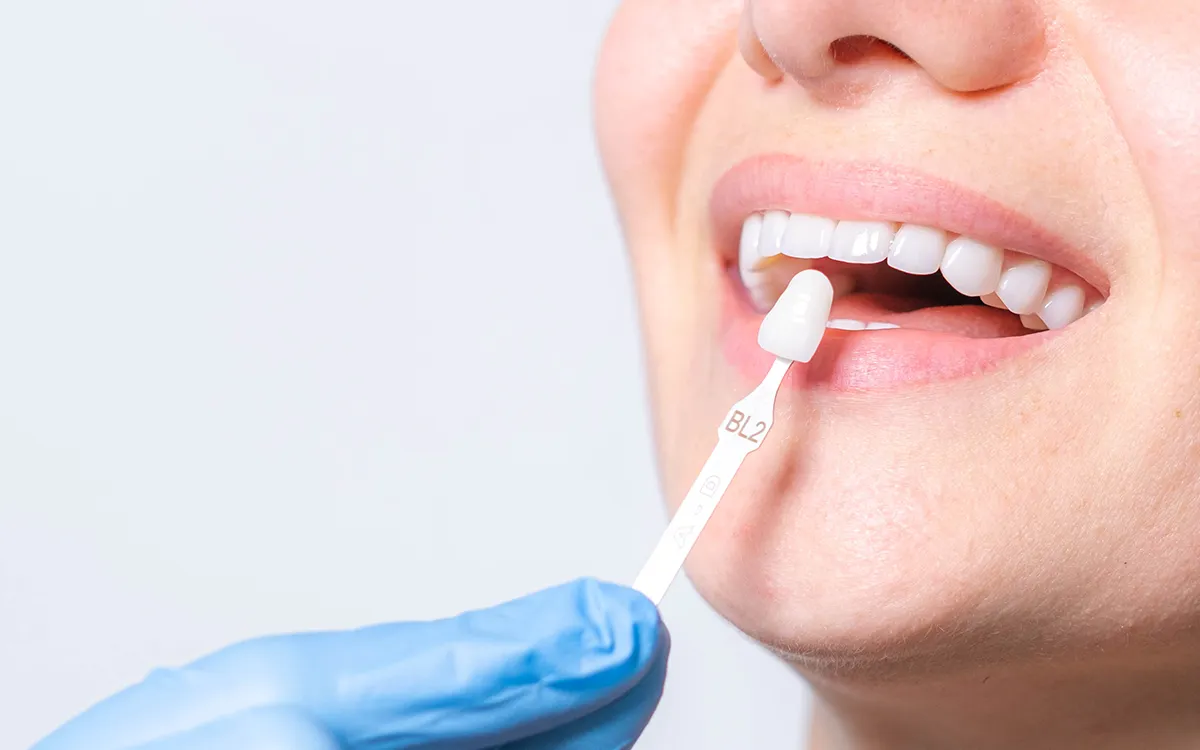
Dental veneers are fresh outer layers for your teeth. Very thin and custom-made, these shells sit on the front surface of your teeth, where they can change the appearance of a tooth’s colour, shape, size, or minor positioning. Veneers are made to fit each tooth precisely, and once bonded in place, they act like a new outer layer.
They can be made from different materials, most commonly porcelain or composite resin, each with its own characteristics, thickness, and preparation requirements. Your dentist will assess your teeth, discuss your goals, and help determine which type of veneer may be suitable for your situation.
Dental veneer choices
Dental veneers can be made from different materials, each with its own characteristics, appearance, and maintenance needs. The two most commonly used materials are porcelain and composite resin.
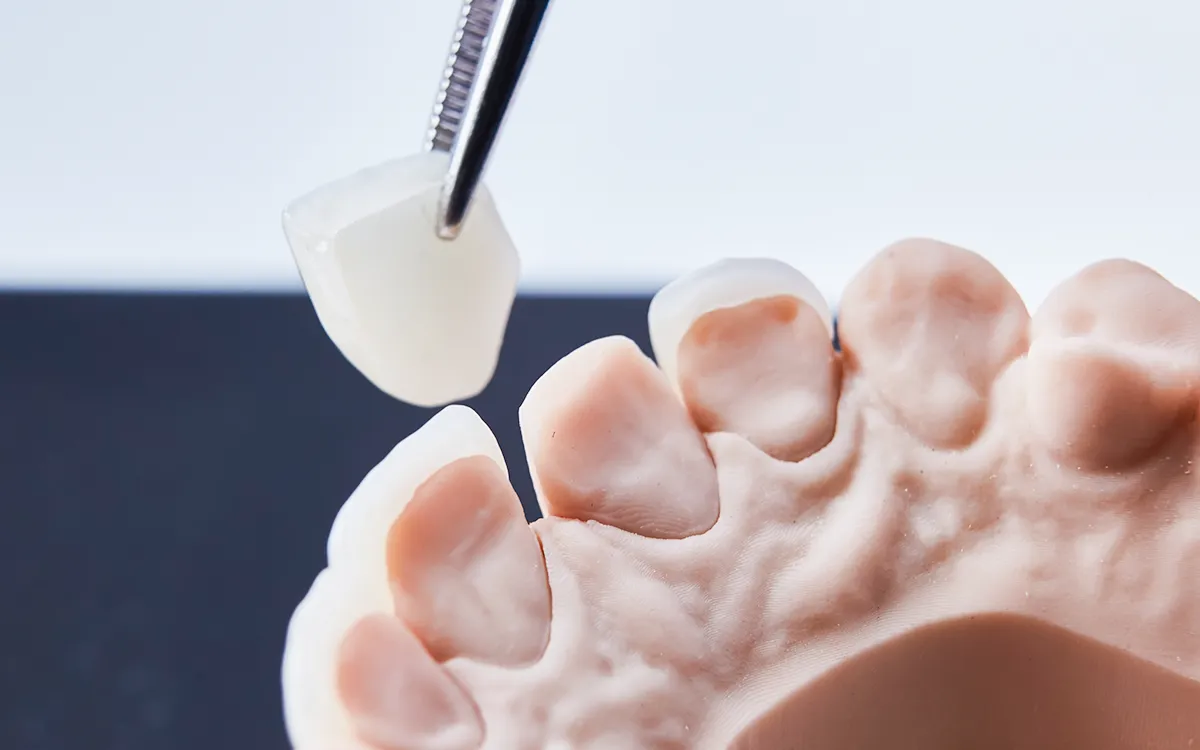
- Ceramic offers a translucent, tooth-like appearance that mimics natural enamel.
- It’s resistant to staining and, with excellent oral care, can remain stable for many years.
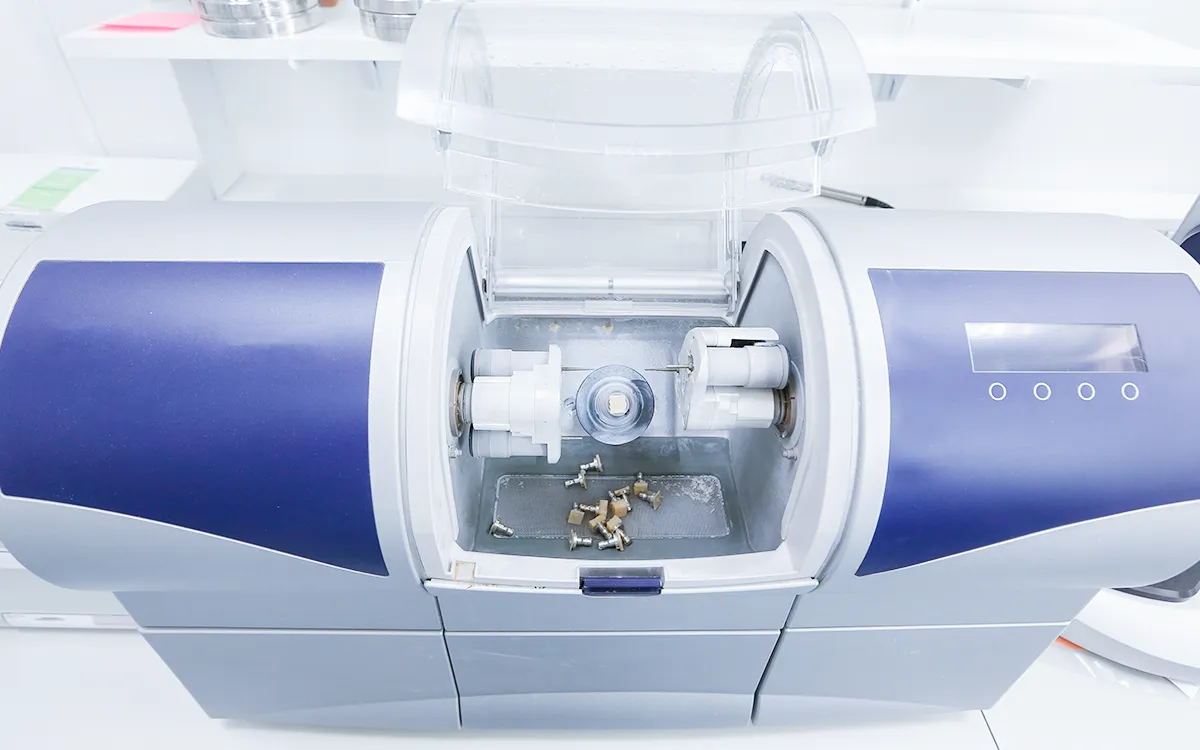
- These veneers are usually crafted in a dental lab, but advances such as CEREC milling and 3D printing now allow some practices to design and produce them on-site.
- Composite veneers are made from a tooth-coloured resin material.
- They can often be applied in a single appointment, as the dentist shapes the material directly on the tooth.
- They generally involve less cost than ceramic, though they may stain more easily and may not last as long.
Total smile glow-ups done right
Veneers are precision-crafted restorations that bring together artistry and advanced dental technology. Each ultra-thin shell is custom-made to enhance your smile’s natural colour, shape, and balance — creating a flawless finish that still feels entirely like you.
Once bonded securely to the front of your teeth, veneers act as a new outer surface, refining small imperfections and restoring harmony to your smile. They’re often chosen to address:
- Discolouration that doesn’t respond to whitening
- Chipped or worn edges that affect symmetry
- Small gaps between teeth
- Slight misalignments or uneven shapes
Every smile is unique, and so is every treatment. Your dentist will assess your teeth, discuss your goals, and design veneers that complement your features for a confident, natural result — a total smile glow-up done right.
Four steps to smile transformation
Your dentist will start by examining your teeth, talking through your concerns, and discussing what you hope to achieve. They may use high-resolution intraoral scans, photos, and digital planning tools to assess your teeth and map out a suitable approach for your situation.
A thin layer of enamel is often removed from the front of the tooth to create space for the veneer. This step can be irreversible, so your dentist will explain why it may or may not be necessary in your case.
Some cases may be suitable for minimal-prep or no-prep veneers, which involve little to no enamel reduction. These options depend on the shape and position of your natural teeth.

Once the plan is confirmed, impressions or digital scans are taken to design your custom veneers.
Depending on the clinic, your veneers may be created in a dental lab or produced in-house using modern technology such as CEREC milling or 3D printing, which allows for precise, efficient fabrication.
In some cases, temporary try-in shells are placed first so you can get a feel for the proposed shape and appearance.
When your final veneers are ready, they are carefully bonded to your teeth using strong dental adhesives. Your dentist will make any necessary adjustments to ensure they sit comfortably and function well with your bite.
How to keep dental veneers beautiful
Veneers are designed to be durable, but like natural teeth, their lifespan can vary from person to person. A few key factors can influence how long they last, including:
- Oral hygiene habits – regular brushing, flossing, and professional cleaning.
- Diet – reducing stress on veneers by avoiding excessive biting on hard foods.
- Teeth grinding or clenching – habits like bruxism can place extra force on veneers; your dentist may recommend protective options if needed.
- Material and fabrication quality – different materials have different strengths and wear characteristics.
- Regular dental check-ups – monitoring the condition of your veneers and the health of the teeth supporting them.
Porcelain veneers generally have a longer lifespan than composite resin, while composite veneers may require maintenance or replacement more often. Your dentist will discuss what’s appropriate for your situation and how to care for your veneers long-term.
Advancements in Veneer Technology
Modern dentistry has transformed how veneers are planned, designed, and created. Today’s tools such as intraoral scanners, digital smile design software, CEREC milling, and 3D printing give dentists the ability to craft veneers with exceptional precision and lifelike detail.
These technologies can also make the process more comfortable and efficient. Digital workflows help produce veneers that fit more precisely, often reducing the need for multiple appointments.
Another major benefit of modern materials and fabrication methods is the ability to create very thin, strong veneers. In suitable cases, this can mean less enamel needs to be removed during preparation, helping to preserve more of the natural tooth structure.
Overall, these advancements support a smoother, more predictable treatment process and a result that’s tailored to each person’s individual needs.
How much do dental veneers cost?
The cost of dental veneers can vary depending on a few key factors:
- Material – porcelain and composite veneers have different characteristics and fabrication requirements.
- Number of teeth – treating more teeth will naturally affect the overall cost.
- Complexity of the case – factors such as tooth preparation, digital planning, or lab work can influence pricing.
- Location and dental expertise – costs may differ between practices and regions.
- Private health coverage – some extras or advanced dental policies may help cover part of the cost, depending on your fund and level of cover.
Because every smile is unique, the best way to understand the potential cost is to have a personalised discussion with your dentist. They can outline the options suitable for your teeth and provide a clear plan that works for your situation.
Future-proof your best smile
Getting veneers can be an exciting step, but the real magic comes from keeping your teeth healthy and cared for every day. Knowing a bit about the process, the materials, and what affects their longevity helps you head into the journey feeling prepared — and confident.
Veneers aren’t just about looks; they work best when paired with regular dental check-ups and simple everyday habits like brushing and flossing. A little care goes a long way in keeping your teeth and your veneers in good nick for years to come.
Ready to make your best smile last? Talk with your dentist today and start a care plan that keeps it bright, balanced, and uniquely yours.