

A smile is one of the first things we share with the world. It can brighten a room, spark a conversation, and say more about us than our words can tell. But not every smile comes easy. Teeth can drift, overlap, or leave gaps, and while that might seem like just a cosmetic quirk, it can also affect comfort and long-term health.
Here’s some straight talk on crooked smiles—why they happen, the most common orthodontic concerns, and how today’s treatments can help bring balance, comfort, and confidence to your smile.
Why do smiles become crooked?
There’s no single reason why some of our teeth don’t grow straight. How they align is the result of mixed influences including genetics, growth patterns, and habits over time. Some of the most common factors include:
Genetics: Just like eye or hair colour, the size and shape of our jaws and teeth can be inherited. A mismatch—such as a small jaw with larger teeth—often leads to crowding or misalignment.
Early or late tooth loss: Losing baby teeth too soon can cause neighbouring teeth to drift into the empty space, while adult teeth that erupt late or remain impacted (stuck under the gums) can push others out of alignment.
Injury or trauma: Accidents involving the face or jaw can move teeth out of place or affect how they grow.
Childhood habits: Thumb-sucking, prolonged pacifier use, nail biting, or tongue thrusting during early development can gradually shift tooth positions.
Jaw growth patterns: If the upper and lower jaws grow at different speeds or don’t align properly, issues such as overbite, underbite, or crossbite may appear.
Other factors: Mouth breathing, poor tongue posture, and certain medical conditions can also play a role in how teeth and jaws develop.
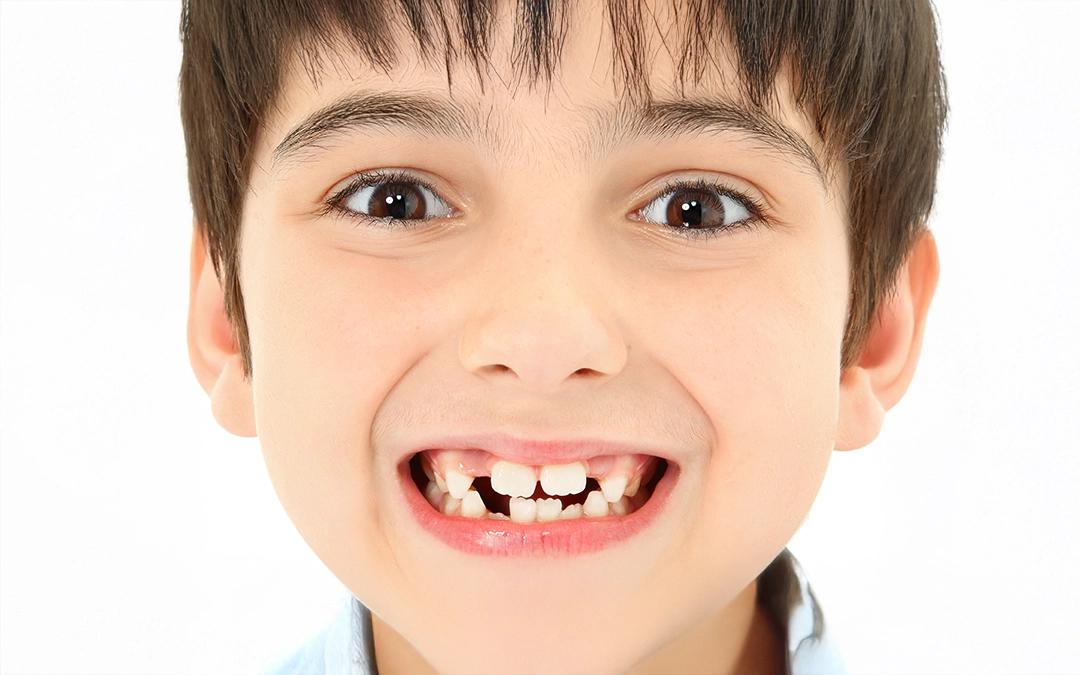
We take the time to understand the factors behind why your smile is crooked, so we can confidently select the right solution to optimise your oral aesthetics and health for life. When you choose Alma Dental Surgery, you get modern orthodontics tailored to your unique needs which safely and effectively guide your teeth into better alignment.
Orthodontic problems (and what they mean)
There’s no single reason why some of our teeth don’t grow straight. How they align is the result of mixed influences including genetics, growth patterns, and habits over time. Some of the most common factors include:
1. Crowding
Crowding happens when there isn’t enough space in the jaw for all the teeth to sit comfortably. Teeth may overlap, twist, or turn, making it harder to brush and floss effectively. Over time, this can increase the risk of cavities and gum issues.
Treatment options: Braces or clear aligners can gently shift teeth into better positions. In some cases, slight reshaping of teeth (slenderising) or removing a tooth may be recommended to create space.
2. Spacing and gaps
Some teeth may have extra space between them, creating gaps. While often a cosmetic concern, these spaces can also trap food, which may make cleaning a little more challenging.
Treatment options: Braces or clear aligners can close gaps gradually. In certain cases, cosmetic solutions like bonding or veneers may also enhance the appearance of a smile.
3. Overbite
An overbite occurs when the upper front teeth overlap the lower teeth more than usual. A noticeable overbite can contribute to uneven wear on teeth, jaw discomfort, or gum issues if left unaddressed.
Treatment options: Orthodontic appliances, braces, or aligners can gradually adjust the overlap. In more severe cases, bite-correcting devices may be added to guide proper alignment.
4. Underbite
An underbite is when the lower teeth sit in front of the upper teeth. This can make biting and chewing less efficient and may create extra strain on the jaw over time.
Treatment options: Braces or aligners can improve alignment in most cases. For children, early intervention can sometimes guide jaw growth more effectively.
5. Crossbite
A crossbite happens when some upper teeth bite inside the lower teeth rather than outside. If untreated, it can cause uneven tooth wear, gum irritation, or jaw discomfort.
Treatment options: Palatal expanders for children or orthodontic treatments like braces or aligners for adults can help correct the bite.
6. Open bite
An open bite occurs when the upper and lower teeth don’t meet at the front, leaving a visible gap even when the mouth is closed. This can make biting certain foods more difficult and may affect speech.
Treatment options: Depending on the severity, braces, clear aligners, or habit-correction techniques (such as addressing tongue posture) can be effective.
7. Combination and other concerns
Not every smile fits neatly into one category. Some people experience a mix of crowding, spacing, and bite issues, or have unique concerns related to jaw growth, tooth size, or habits like thumb-sucking. These combinations can affect both function and appearance in different ways.
Treatment options: A personalised orthodontic assessment is the best way to map out a plan. This may involve braces, aligners, bite-correcting devices, or a blend of approaches tailored to each patient’s needs.
Modern ways to straighten a smile
The thought of smile alignment often brings to mind sore mouths and wires that snag, but modern orthodontics is different. Today, treatments are more comfortable, discreet, and effective than ever before, giving you options that suit your lifestyle and needs.
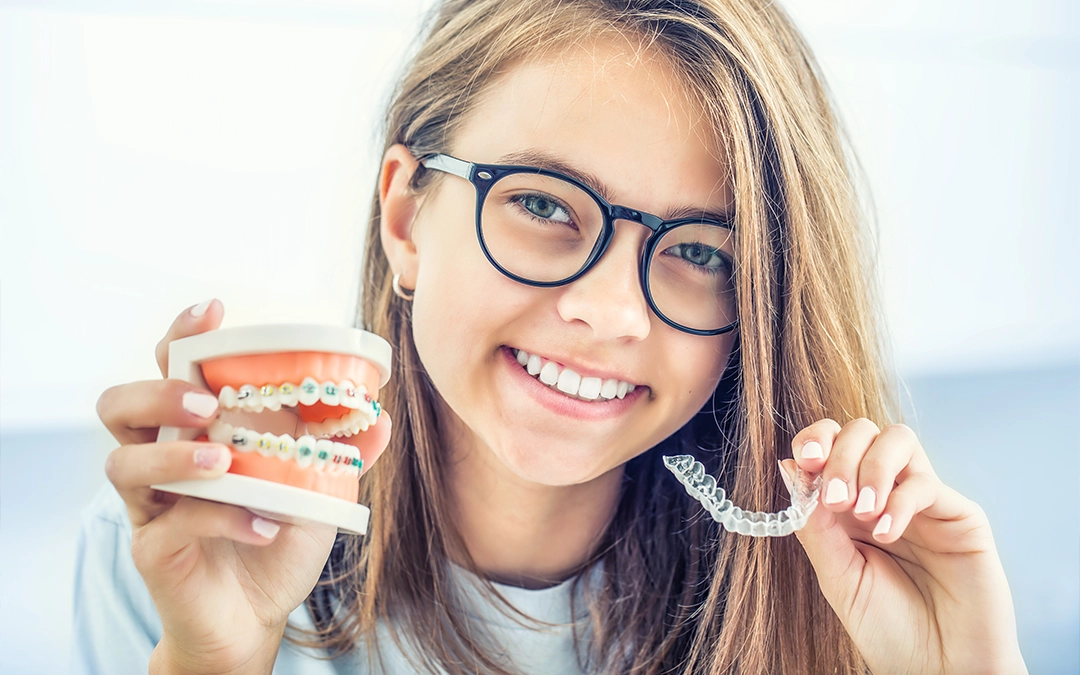
Traditional braces: The classic option for straightening teeth, traditional braces are available in metal or ceramic (tooth-coloured) versions. Today’s braces are smaller, more comfortable, and designed to gently guide teeth into their proper positions. They’re especially effective for more complex alignment or bite issues, offering reliable, long-lasting results.
Clear aligners: Nearly invisible and removable, these trays gradually guide teeth into alignment. They’re popular with teens and adults who want a discreet, flexible option.
Lingual braces: Placed behind the teeth, lingual braces are hidden from view while still offering precise correction—perfect for anyone seeking a subtle solution.
Palatal expanders / orthodontic growth appliances: Often used for children, these devices help widen the upper jaw or guide jaw development, creating space for teeth to align properly.
Retainers and other appliances: Retainers help maintain results after treatment, while other appliances can guide jaw growth, particularly in younger patients.
Every smile is unique, so your dentist or orthodontist will carefully assess your teeth and discuss your goals before recommending the most suitable approach. With the right plan, achieving a healthy, well-aligned smile is more accessible than ever.
Get straight to enjoying your smile
A crooked smile doesn’t define you—and it’s not something you have to live with. Orthodontic care can help restore proper function, support long-term oral health, and give you a smile you’ll be happy to share.
Keep in mind that even after treatment, your smile thrives on simple daily habits: brushing twice a day, flossing, enjoying a balanced diet, and keeping up with regular dental visits. These small steps make a big difference over time.
Every smile is one of a kind, and so is every treatment plan. A healthier, straighter smile can begin with a single step—why not take it today? With modern orthodontic treatments and supportive dental care, achieving comfort, function, and a smile you love is more possible than ever.
Your smile is your signature—keep it functional, healthy, and beautiful.